This article examines the causes of taste and smell loss, including viral infections, post-COVID changes, and medications, while explaining why recognizing patterns and knowing when to seek professional evaluation can help address lingering symptoms effectively.
Losing your sense of taste and smell changes daily life in ways most people do not anticipate. Food loses its appeal. You cannot tell if something is burning on the stove. Favorite scents, from coffee to fresh air, register as nothing. What feels like a minor inconvenience quickly becomes a quality-of-life issue that affects nutrition, safety, and emotional wellbeing.
The good news is that taste and smell loss follows identifiable patterns, and for many patients, recovery is possible with the right evaluation and treatment approach. This guide explains the most common causes, when to take action, and how Prince Health's taste and smell recovery protocol helps patients in The Woodlands restore what they have lost.
What Causes Loss of Taste and Smell?
Taste and smell are closely connected. What most people describe as lost taste is actually impaired smell, because up to 80% of what we perceive as flavor comes from olfactory input rather than taste buds alone. The most common causes include:
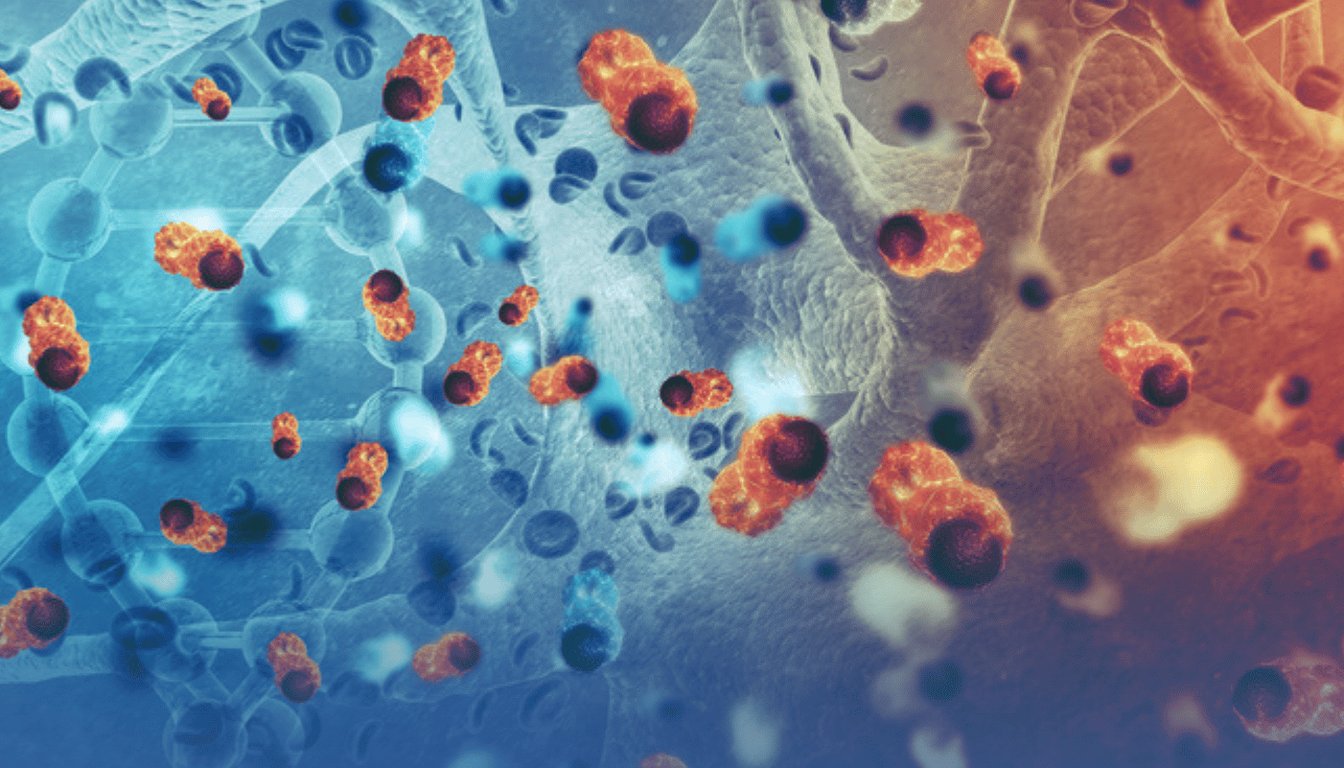
- Viral infections: COVID-19, influenza, and other respiratory viruses can damage olfactory nerve cells in the nasal cavity. COVID-19 became the most recognized cause after millions of patients reported sudden smell loss during the pandemic.
- Upper respiratory conditions: Chronic sinusitis, nasal polyps, and allergic rhinitis can physically block scent molecules from reaching the olfactory receptors.
- Head trauma: Injuries that jar the brain can shear the delicate olfactory nerve fibers where they pass through the skull base.
- Medications: Over 200 medications list taste or smell changes as side effects, including certain blood pressure medications, antibiotics, and chemotherapy drugs.
- Aging: Gradual decline in olfactory function is common after age 60 and accelerates after 70.
- Neurological conditions: Early-stage Parkinson's disease and Alzheimer's disease can present with smell loss years before other symptoms appear.
- Environmental exposures: Prolonged exposure to chemicals, industrial solvents, or heavy metals can damage olfactory tissue.
Identifying the cause is the first step toward effective treatment, because the approach differs significantly depending on whether the problem is inflammatory, neurological, or structural.
Post-COVID Taste and Smell Loss: Why It Persists
COVID-19 changed the conversation around anosmia. While most post-COVID patients recover their smell within weeks, an estimated 5% to 15% experience persistent loss lasting six months or longer. Some develop parosmia, a condition where familiar smells register as distorted, often unpleasant odors.
The virus targets sustentacular cells in the olfactory epithelium, the support cells that maintain the health of olfactory neurons. When these cells are damaged, the neurons lose their structural support and may die or malfunction. Recovery depends on the regeneration of these cells and the rewiring of neural pathways, a process that can take months to over a year.
Patients who still have not recovered their smell six to twelve months after COVID should not assume it is permanent. Evidence shows that active intervention, particularly smell training and targeted clinical protocols, can accelerate recovery even at the 12-month mark and beyond.
When Should You See a Doctor for Taste and Smell Loss?
Not every case of smell loss requires immediate medical attention. A brief loss during a cold or sinus infection often resolves on its own. However, you should seek evaluation if:
- Smell loss persists beyond four weeks after a viral illness
- Smell or taste changes appeared suddenly without an obvious cause like a cold
- You notice distorted smells (parosmia) where familiar things smell wrong
- The loss affects your nutrition because food has become unappealing
- You have safety concerns such as inability to smell gas, smoke, or spoiled food
- Smell loss is accompanied by other neurological symptoms like memory changes, tremor, or coordination problems
Early intervention often leads to better outcomes. The olfactory system has remarkable regenerative capacity, but the window for optimal recovery narrows over time.
How Anosmia Is Diagnosed and Evaluated
A thorough evaluation for taste and smell loss goes beyond asking whether you can detect an odor. It includes:
Detailed history: When did the loss begin? Was it sudden or gradual? Is it complete (anosmia) or partial (hyposmia)? Are smells distorted (parosmia)? What treatments have been tried?
Smell identification testing: Standardized tests like the UPSIT (University of Pennsylvania Smell Identification Test) objectively measure olfactory function and track changes over time.
Nasal examination: Visual inspection and potentially endoscopy to check for polyps, inflammation, or structural issues that could block airflow to the olfactory cleft.
Imaging: MRI may be ordered if neurological causes are suspected or if the clinical picture does not match a post-viral pattern.
Cranial nerve assessment: Evaluating the function of cranial nerves involved in taste and smell can help localize the problem.
Can You Recover Your Sense of Taste and Smell?
Yes, many patients recover significant function, and the odds improve with active intervention. Recovery rates depend on the cause:
- Post-viral (including COVID): The majority of patients recover within 6 to 12 months. Active smell training and clinical protocols can accelerate this timeline.
- Sinusitis and polyps: Treating the underlying inflammation or obstruction often restores smell relatively quickly.
- Head trauma: Recovery is less predictable but possible. Younger patients and those with partial function (hyposmia) tend to have better outcomes.
- Age-related decline: Slowing the progression is more realistic than full restoration, though many patients can improve from their baseline.
The olfactory epithelium is one of the few areas in the body where neurons regenerate throughout life. This biological fact is the foundation for treatments that support and accelerate that natural repair process.
The Taste and Smell Recovery Protocol at Prince Health
Dr. Ashley Prince developed a taste and smell recovery protocol that has gained national recognition for helping patients, particularly those with post-COVID anosmia, regain olfactory function.
The protocol is rooted in chiropractic neurology and integrates multiple approaches:
- Cranial nerve stimulation targeting the olfactory and trigeminal pathways
- Cervical spine evaluation and adjustment to address nerve pathway interference
- Structured smell training protocols using essential oils in a systematic retraining program
- Nutritional support for nerve regeneration including targeted B vitamins, zinc, and omega-3 fatty acids
- Anti-inflammatory strategies to reduce ongoing damage to olfactory tissue
Patients typically begin with an in-depth evaluation to assess the severity and type of olfactory loss, followed by a customized treatment plan with defined milestones. Many patients report measurable improvement within the first few weeks of treatment.
Steps You Can Take Right Now
While waiting for a clinical evaluation, you can start supporting your recovery:
- Begin smell training at home: Choose four strong, distinct scents such as rose, eucalyptus, lemon, and clove. Gently sniff each one for 20 seconds, twice daily, while actively concentrating on the memory of that scent.
- Maintain nasal hygiene: Saline rinses can reduce inflammation and keep the nasal passages clear.
- Optimize nutrition: Ensure adequate intake of zinc, vitamin A, and B vitamins, all of which support olfactory tissue health.
- Avoid further damage: Minimize exposure to cigarette smoke, strong chemicals, and environmental irritants.
- Track your progress: Keep a daily log of what you can and cannot smell. This data helps your clinician tailor your treatment plan.
Prince Health is located at 10847 Kuykendahl Rd #350, The Woodlands, TX. If you have been living with taste and smell loss and want a structured recovery plan, schedule a consultation to learn whether the protocol can help.
Frequently Asked Questions
How long does loss of taste and smell last after COVID?
Most COVID patients recover taste and smell within one to three months. However, 5% to 15% of patients experience persistent loss lasting six months or longer. Active intervention with smell training and clinical protocols can improve outcomes even for patients with prolonged loss.
Is loss of taste and smell permanent?
In most cases, no. The olfactory epithelium has a unique ability to regenerate neurons throughout life. While some causes like severe head trauma may lead to longer-term or permanent changes, the majority of patients with post-viral or inflammatory causes can achieve meaningful recovery, especially with early and active treatment.
What doctor treats loss of taste and smell?
ENT specialists (otolaryngologists) commonly evaluate anosmia. Neurologists may be involved for suspected neurological causes. At Prince Health, Dr. Ashley Prince's chiropractic neurology-based protocol offers a complementary approach that has helped many patients who did not fully recover through conventional treatment alone.
Can smell training help restore your senses?
Yes. Multiple clinical studies confirm that structured smell training improves olfactory recovery rates in post-viral anosmia patients. The practice works by stimulating neuroplasticity in the olfactory system, encouraging nerve regeneration and pathway rewiring. Consistency over weeks to months is key.
What medications cause loss of taste and smell?
Over 200 medications can affect taste or smell. Common culprits include ACE inhibitors, certain antibiotics (metronidazole, clarithromycin), chemotherapy drugs, antihistamines, and some antidepressants. If you suspect a medication is contributing, discuss alternatives with your prescribing physician rather than stopping abruptly.
Schedule an Appointment Today
Get optimized and highly effective care for your condition by visiting our office in The Woodlands, TX.