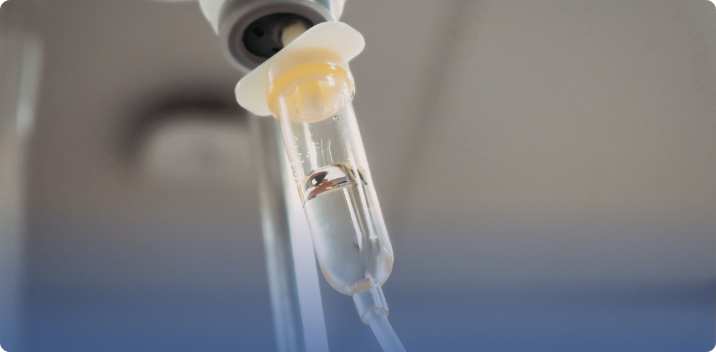
PlaqueX IV therapy offers a structured approach to preventive vascular health by supporting the body's response to inflammation and oxidative stress. The article explains how this intravenous treatment fits into comprehensive preventive care plans for high-functioning professionals seeking measurable health markers and clinician-guided support.
PlaqueX IV therapy delivers phosphatidylcholine directly into the bloodstream to support cell membrane repair, lipid metabolism, and vascular health. For patients in The Woodlands, TX who are interested in preventive cardiovascular strategies beyond statins and lifestyle changes alone, PlaqueX offers a targeted approach to arterial health that addresses plaque composition at the cellular level. This guide covers how the therapy works, who benefits most, and what the clinical evidence supports.
What Is PlaqueX IV Therapy?
PlaqueX is an intravenous infusion of phosphatidylcholine (PC), an essential phospholipid that is a primary structural component of every cell membrane in the body. When delivered intravenously in therapeutic concentrations, PC exerts effects on lipid metabolism and vascular function that oral supplementation cannot replicate.
Phosphatidylcholine plays several critical roles:
- Cell membrane integrity: PC maintains the fluidity and function of cell membranes throughout the body, including the endothelial cells lining blood vessels
- Lipid transport and metabolism: PC is a key component of HDL particles and supports the mobilization of cholesterol from arterial deposits
- Liver function: PC supports hepatic fat metabolism and bile production, which directly influences cholesterol processing
- Plaque composition: Research suggests that IV phosphatidylcholine can alter the lipid composition of atherosclerotic plaque, potentially making it less prone to rupture
The therapy has been used in European cardiovascular medicine for decades and is gaining clinical attention in the United States as part of integrative preventive care protocols.
How Does PlaqueX Support Cardiovascular Health?
PlaqueX works by delivering phosphatidylcholine at concentrations high enough to influence systemic lipid metabolism and endothelial function. The proposed mechanisms include:
Cholesterol mobilization: Phosphatidylcholine helps convert cholesterol deposits in arterial walls into a more transportable form that the body can process and eliminate through normal hepatic pathways. This does not dissolve plaque overnight but may gradually shift the balance from deposition to removal.
Endothelial repair: The endothelium, the inner lining of blood vessels, is where atherosclerosis begins. Damaged endothelial cells attract lipid deposits and inflammatory cells. PC supports endothelial membrane repair, which may help restore normal vascular function and slow plaque progression.
HDL enhancement: Phosphatidylcholine is a structural component of high-density lipoprotein particles. Adequate PC availability supports HDL function in reverse cholesterol transport, the process by which HDL removes cholesterol from arterial walls and delivers it to the liver for excretion.
Anti-inflammatory effects: Chronic vascular inflammation drives atherosclerosis progression. PC has demonstrated anti-inflammatory properties in vascular tissue, potentially reducing the inflammatory cascade that converts stable plaque into vulnerable plaque.
Who Is a Good Candidate for PlaqueX Therapy?
PlaqueX is most commonly considered for patients with:
- Elevated cholesterol or lipid markers that have not responded adequately to lifestyle modifications
- Early to moderate atherosclerosis identified on imaging such as coronary calcium scoring or carotid ultrasound
- Family history of cardiovascular disease seeking proactive preventive strategies
- Statin intolerance due to muscle pain, liver enzyme elevation, or other side effects
- Interest in complementary cardiovascular support alongside conventional treatment
PlaqueX is not a replacement for emergency cardiac intervention, and patients with acute cardiovascular events require standard medical management. The therapy fits best within a comprehensive preventive framework that includes dietary optimization, exercise, stress management, and appropriate monitoring.
What Happens During a PlaqueX IV Session?
A typical PlaqueX IV therapy session follows a straightforward protocol:
Duration: Each infusion takes approximately 90 minutes to two hours. The phosphatidylcholine solution is administered through a standard IV line at a controlled rate.
Frequency: Initial treatment protocols typically involve 10 to 20 sessions, usually scheduled one to three times per week. Maintenance sessions may continue monthly or quarterly depending on individual response and goals.
Experience: Most patients sit comfortably during the infusion and can read, work, or rest. The infusion itself is not painful beyond the initial IV insertion. Some patients report a mild warmth or taste during the infusion.
Side effects: PlaqueX is generally well tolerated. Occasional side effects include mild nausea, temporary fatigue, or GI discomfort during or shortly after the infusion. These are typically transient and resolve without intervention.
Monitoring: Blood lipid panels and relevant markers are checked before starting treatment and at intervals throughout the protocol to track response.
What Does the Clinical Evidence Show?
The evidence for PlaqueX includes European clinical studies, case series, and mechanistic research, though large-scale randomized controlled trials in the United States remain limited. Key findings include:
- Studies demonstrating measurable improvements in lipid profiles following phosphatidylcholine IV protocols
- Ultrasound evidence of reduced plaque thickness in carotid arteries after treatment courses
- Documented improvements in peripheral circulation and exercise tolerance in patients with peripheral arterial disease
- Laboratory evidence that phosphatidylcholine alters plaque lipid composition in animal models
The therapy should be viewed as a clinically supported intervention with a reasonable evidence base, not as an unproven experimental treatment. However, patients should understand that individual results vary and that PlaqueX works best as part of a comprehensive cardiovascular strategy rather than a standalone solution.
How Does PlaqueX Compare to Other IV Therapies?
PlaqueX is distinct from other IV therapies in its specific mechanism and target:
Chelation therapy removes heavy metals and some mineral deposits but does not directly address lipid metabolism or cell membrane function.
NAD+ infusions support cellular energy production and DNA repair but do not target vascular lipid composition.
High-dose vitamin C has antioxidant and immune-supporting effects but does not deliver the phospholipid building blocks that PlaqueX provides.
Each therapy has its own evidence base and appropriate applications. PlaqueX IV therapy is specifically designed for patients whose primary concern is vascular health, lipid metabolism, and cardiovascular prevention.
Explore PlaqueX IV Therapy at Prince Health in The Woodlands
If cardiovascular prevention is a priority and you are looking for strategies that go beyond standard prescriptions, a PlaqueX evaluation can help determine whether this therapy fits your health profile.
Prince Health is located at 10847 Kuykendahl Rd #350, The Woodlands, TX. We begin with a thorough cardiovascular risk assessment including lipid panels, inflammatory markers, and relevant imaging review. This data informs whether PlaqueX is appropriate and how to structure a treatment protocol tailored to your specific goals.
Frequently Asked Questions
How many PlaqueX sessions are needed to see results?
Most protocols involve 10 to 20 initial sessions, with measurable changes in lipid markers typically observable after 10 sessions. Some patients report subjective improvements in energy and circulation earlier. Long-term cardiovascular benefits develop over months and are best tracked through serial lab work and imaging when indicated.
Is PlaqueX IV therapy safe?
PlaqueX has a strong safety profile when administered by trained practitioners using pharmaceutical-grade phosphatidylcholine. Serious adverse events are rare. The most common side effects are mild GI discomfort and temporary fatigue, both of which typically resolve within hours. Patients with soy allergies should inform their provider, as PC is often derived from soy lecithin.
Does insurance cover PlaqueX IV therapy?
Most insurance plans do not cover PlaqueX IV therapy, as it is classified as a complementary treatment. Prince Health provides transparent pricing during your initial consultation and can discuss payment options including HSA and FSA eligibility.
Can PlaqueX replace statin medications?
PlaqueX should not be viewed as a direct replacement for statins without physician guidance. Some patients use PlaqueX as a complementary therapy alongside reduced-dose statins, while others who cannot tolerate statins may use it as an alternative approach. The decision depends on your cardiovascular risk profile, current medications, and treatment goals.
What is the difference between PlaqueX and oral phosphatidylcholine supplements?
IV administration delivers phosphatidylcholine directly into the bloodstream at therapeutic concentrations that oral supplements cannot achieve. Oral PC is largely broken down during digestion, limiting the amount that reaches systemic circulation. IV delivery bypasses the digestive system and provides the full therapeutic dose to vascular tissue and the liver.
Schedule an Appointment Today
Get optimized and highly effective care for your condition by visiting our office in The Woodlands, TX.