Tooth enamel is the only body part that cannot heal itself at all, because it has no living cells. Brain neurons, heart muscle, spinal cord nerves, and cartilage also repair too slowly to fully recover.
Nearly every tissue in your body has some capacity for self-repair, but several critical structures struggle to regenerate once damaged. Tooth enamel, brain neurons, heart muscle cells, spinal cord nerves, and articular cartilage are among the body parts with the most limited self-healing ability. Understanding these limitations explains why certain injuries and diseases cause permanent damage and why regenerative medicine research focuses heavily on overcoming these biological barriers.
Tooth enamel is the one body part that cannot heal itself at all, because it contains no living cells. Several other structures repair so slowly they are effectively non-regenerating in adults: brain neurons, heart muscle (cardiomyocytes replace at under 1 percent per year), spinal cord nerves, and articular cartilage. When these are damaged, the body usually lays down scar tissue instead of like-for-like tissue, which is why those injuries tend to be permanent.
Which Body Parts Have the Least Ability to Heal?
Tooth enamel is the only body tissue that is completely non-living once formed. It contains no cells, no blood supply, and no biological mechanism for self-repair. Once enamel is damaged by decay or erosion, it cannot regenerate. This is why dental fillings and crowns exist as permanent structural replacements.
Brain neurons have extremely limited replacement capacity. While the hippocampus can generate some new neurons throughout life, the vast majority of brain tissue cannot regenerate after injury. Stroke, traumatic brain injury, and neurodegenerative diseases like Alzheimer's cause permanent neuronal loss that the brain cannot repair.
Heart muscle cells (cardiomyocytes) replace at a rate of less than 1% per year in adults. After a heart attack, damaged heart muscle is replaced by scar tissue that cannot contract or conduct electrical signals, permanently reducing cardiac function.
Spinal cord nerves do not regenerate after injury in adults. Severed or damaged spinal cord neurons cannot regrow their connections, which is why spinal cord injuries often cause permanent paralysis.
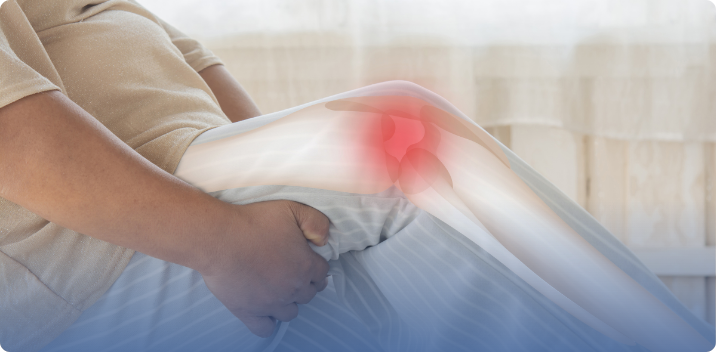
Articular cartilage in joints has very limited self-repair capacity because it lacks blood supply. Cartilage damage from injury or arthritis progresses rather than heals, leading to joint deterioration over time.
Why Can't These Tissues Repair Themselves?
The inability to self-heal traces to specific biological limitations:
Lack of resident stem cells: The heart and brain have minimal populations of stem cells capable of generating replacement tissue. Without a reservoir of progenitor cells, large-scale repair is impossible.
Post-mitotic cell status: Mature neurons and cardiomyocytes have largely exited the cell division cycle. They are specialized for function rather than reproduction, which means they cannot copy themselves to replace lost neighbors.
Structural complexity: The intricate architecture of brain neural networks, heart muscle fiber arrangements, and spinal cord pathways is extraordinarily difficult to recreate. Simple cell replacement does not restore the complex connectivity these tissues require.
Absence of blood supply: Tooth enamel and articular cartilage lack the vascular network that delivers healing factors, nutrients, and immune cells to damaged areas. Without blood supply, the biological repair process cannot initiate.
Scar formation: When the body cannot regenerate functional tissue, it defaults to scar tissue that fills the gap structurally but lacks the specialized function of the original tissue.
How Is Regenerative Medicine Addressing These Limitations?
Researchers are pursuing multiple strategies to overcome natural healing barriers:
For heart tissue: Stem cell injections, cardiac patches grown from stem cells, and gene therapy to reactivate cardiomyocyte division are in clinical trials. Early results show modest but measurable improvements in heart function after treatment.
For brain and spinal cord: Neural stem cell transplants, growth factor delivery, and engineered scaffolds that guide nerve regrowth are being tested. Some spinal cord injury patients in trials have regained limited sensory or motor function.
For cartilage: Regenerative medicine treatments using PRP, stem cells, and BMAC are already available clinically for joint cartilage damage. These treatments promote repair in mild to moderate cartilage loss and represent one of the field's most successful current applications.
For tooth enamel: Researchers are developing biomimetic materials that mimic enamel structure, though true biological regeneration remains elusive.
For pancreatic beta cells: Stem cell-derived insulin-producing cells are in clinical trials for type 1 diabetes, showing promising early results.
Which Body Tissues Heal Best for Comparison?
Understanding what heals well provides useful contrast:
- Liver: Can regenerate from 25% of its mass, making it the champion of organ regeneration
- Skin: Continuously renews and heals wounds through active stem cell populations in the epidermis
- Bone: Fractures heal through a well-orchestrated repair process that typically restores full structural strength
- Blood: Hematopoietic stem cells in bone marrow continuously produce all blood cell types throughout life
- Intestinal lining: Replaces itself entirely every three to five days through rapid stem cell-driven renewal
The difference between tissues that heal well and those that do not largely comes down to stem cell availability, blood supply, and structural simplicity.
What Can You Do to Protect Tissues That Cannot Self-Repair?
Since prevention matters most for tissues with limited healing capacity:
- Protect your heart through cardiovascular exercise, healthy diet, blood pressure management, and avoiding smoking
- Guard your brain with mental stimulation, physical activity, adequate sleep, and head injury prevention
- Preserve joint cartilage by maintaining healthy weight, staying active with low-impact exercise, and addressing injuries promptly
- Protect tooth enamel through proper dental hygiene, limiting acidic foods and beverages, and regular dental care
- Support spinal health through core strengthening, proper ergonomics, and avoiding high-risk activities without proper training
Learn About Regenerative Treatment Options at Prince Health
While some tissues cannot yet be regenerated, musculoskeletal conditions involving cartilage, tendons, and joint tissue respond well to current regenerative treatments. At Prince Health, located at 10847 Kuykendahl Rd #350, The Woodlands, TX, we apply evidence-based regenerative approaches for conditions where the science supports meaningful improvement.
If joint pain, cartilage damage, or musculoskeletal injury is limiting your quality of life, schedule a consultation to explore your treatment options.
Frequently Asked Questions
Can any body part truly not heal at all?
Tooth enamel is the only tissue with absolutely zero self-repair capacity because it contains no living cells. Other tissues like brain neurons and heart muscle have extremely limited but not zero regenerative ability. The practical effect for most injuries, however, is that meaningful self-repair does not occur.
Will regenerative medicine eventually be able to repair the brain after stroke?
Research is actively pursuing this goal. Neural stem cell transplants and growth factor therapies show early promise in clinical trials, but reliable brain tissue regeneration after stroke remains years away from standard clinical use. The complexity of neural networks makes this one of the most challenging regenerative targets.
Can stem cell therapy help with cartilage that does not heal on its own?
Yes. Cartilage repair is one of the most successful current applications of regenerative medicine. PRP and stem cell injections can promote cartilage repair in mild to moderate damage, reduce inflammation, and improve joint function. This is an area where regenerative treatment addresses a real limitation in the body's natural healing.
Why does the liver regenerate but the heart cannot?
The liver maintains a large population of cells (hepatocytes) that can re-enter the cell division cycle when needed, plus a coordinated signaling network that organizes rapid regrowth. Heart muscle cells have largely lost the ability to divide and lack the signaling architecture for organized regeneration.
Is it possible to prevent cartilage loss in joints?
You cannot completely prevent age-related cartilage wear, but you can slow it significantly through maintaining healthy weight, regular low-impact exercise, proper joint mechanics, adequate nutrition, and addressing injuries promptly rather than ignoring them. When cartilage damage does occur, early regenerative treatment intervention may produce better outcomes than waiting.
Schedule an Appointment Today
Get optimized and highly effective care for your condition by visiting our office in The Woodlands, TX.