The liver heals fastest when you stop the source of injury and support regeneration at the same time: stop alcohol, treat the underlying cause, and fuel hepatocyte repair. Early fatty liver can improve in 2 to 4 weeks.
The liver is one of the most remarkable organs in the human body, capable of regenerating up to 75% of its mass after injury or surgical removal. Despite this extraordinary regenerative capacity, liver healing depends heavily on removing the factors that caused damage and providing the nutritional and lifestyle support the organ needs to repair itself. Whether you are recovering from fatty liver disease, medication-related stress, alcohol exposure, or environmental toxin burden, understanding what accelerates liver healing empowers you to take targeted action.
The liver heals fastest when you remove what is damaging it and support regeneration at the same time. That means stopping alcohol and unnecessary medications, treating the underlying driver such as fatty liver or a medication injury, and fueling hepatocyte repair with adequate protein, antioxidants, and hydration. Early-stage fatty liver often improves measurably within 2 to 4 weeks once the source of injury stops, and the liver can regenerate up to 75 percent of its mass.
What Heals the Liver Fastest?
The fastest path to liver healing combines three strategies: eliminating ongoing liver stressors, optimizing nutrition for hepatocyte regeneration, and supporting detoxification pathways. No single supplement or food heals the liver overnight. Instead, a coordinated approach that removes what is causing damage while providing what the liver needs to rebuild produces the most rapid recovery.
The liver's regenerative timeline depends on the type and severity of damage:
- Fatty liver from diet or alcohol: Measurable improvement in 2-4 weeks with complete dietary change and abstinence
- Medication-induced liver stress: Recovery within weeks to months after discontinuing the offending agent
- Chronic inflammation (hepatitis): Months to years depending on the cause and whether it is effectively treated
- Fibrosis and early cirrhosis: Partial reversal possible over 6-12+ months with comprehensive management
The key principle is that the liver heals fastest when you stop hurting it and start supporting it simultaneously.
Which Foods Heal the Liver Most Effectively?
A liver-healing diet emphasizes anti-inflammatory, nutrient-dense whole foods while eliminating processed foods, excess sugar, and alcohol. Specific foods with documented liver-protective and liver-healing properties include:
Cruciferous vegetables (broccoli, Brussels sprouts, cauliflower, kale): Contain sulforaphane and indole-3-carbinol, compounds that upregulate Phase 2 liver detoxification enzymes. These vegetables help the liver process and eliminate toxins more efficiently.
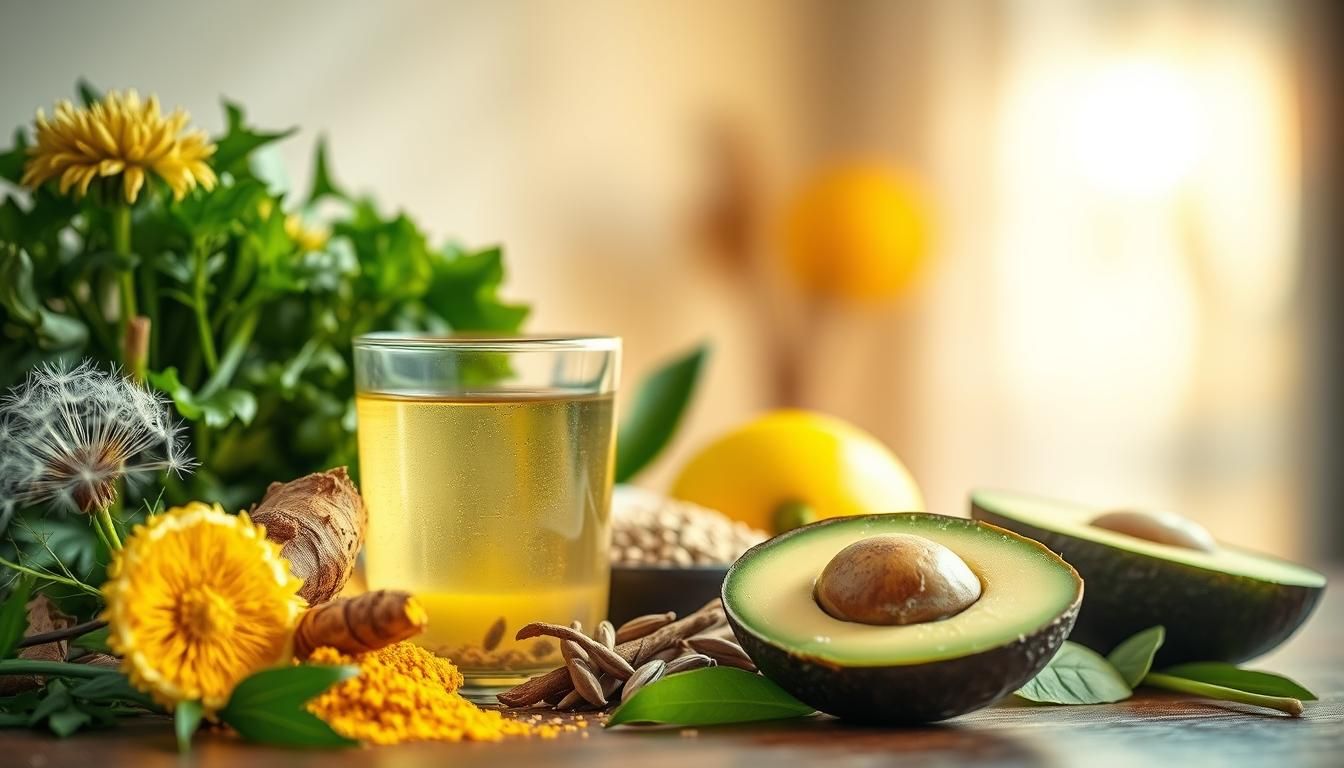
Leafy greens (spinach, arugula, dandelion greens): Provide chlorophyll, folate, and nitrates that support bile production and liver cell regeneration. Dandelion greens have traditional use as a liver tonic with emerging research support.
Fatty fish (salmon, sardines, mackerel): Omega-3 fatty acids reduce liver inflammation and have been shown to decrease liver fat content in patients with non-alcoholic fatty liver disease (NAFLD).
Beets and beet greens: Contain betaine, which supports methylation processes critical for liver detoxification. Beet juice has demonstrated liver-protective effects in animal studies.
Garlic and onions: Rich in sulfur compounds that support glutathione production, the liver's primary antioxidant and detoxification molecule.
Turmeric: Curcumin, the active compound in turmeric, has strong anti-inflammatory and hepatoprotective properties supported by multiple clinical trials.
Olive oil (extra virgin): Monounsaturated fats reduce liver fat accumulation and oxidative stress. The Mediterranean diet, rich in olive oil, is associated with improved liver function markers.
What Lifestyle Changes Speed Up Liver Recovery?
Lifestyle modifications often produce the most dramatic liver healing results, particularly for conditions like fatty liver disease where behavior change directly addresses the root cause.
Alcohol elimination: For alcohol-related liver damage, complete abstinence is the single most effective intervention. Liver enzymes can normalize within 2-4 weeks of alcohol cessation in cases of alcoholic fatty liver. Even moderate drinking should be eliminated during active liver recovery.
Weight management: Losing 7-10% of body weight has been shown to reverse non-alcoholic fatty liver disease in the majority of patients. Even modest weight loss of 3-5% produces measurable reduction in liver fat content.
Regular exercise: Both aerobic exercise and resistance training independently reduce liver fat and inflammation. 150 minutes of moderate exercise per week is the minimum recommendation, with greater benefits seen at higher volumes.
Sleep optimization: Poor sleep quality and sleep apnea are independently associated with liver disease progression. Prioritizing 7-9 hours of quality sleep supports the liver's nighttime detoxification and repair cycles.
Toxin reduction: Minimizing exposure to environmental toxins, unnecessary medications, and chemical-laden household products reduces the detoxification burden on the liver, freeing resources for repair.
Which Supplements Support Liver Healing?
Several supplements have evidence supporting their role in liver protection and regeneration. However, supplements should complement rather than replace dietary and lifestyle interventions.
Milk thistle (silymarin): The most studied liver supplement, silymarin acts as an antioxidant, anti-inflammatory, and anti-fibrotic agent. Clinical evidence supports its use for alcoholic liver disease, NAFLD, and medication-induced liver toxicity. Standard dosing is 200-400 mg of standardized extract daily.
N-acetyl cysteine (NAC): A precursor to glutathione, the liver's master antioxidant. NAC is used clinically for acetaminophen toxicity and shows broader hepatoprotective benefits. Typical dose: 600-1,200 mg daily.
Alpha-lipoic acid: A versatile antioxidant that regenerates other antioxidants (including glutathione and vitamin C) and supports mitochondrial function in liver cells.
Vitamin E: Shown in clinical trials to improve liver histology in patients with non-alcoholic steatohepatitis (NASH). The PIVENS trial demonstrated significant benefit at 800 IU daily.
B-complex vitamins: Support methylation, energy production, and detoxification pathways. Particularly important for patients with alcohol-related liver damage, as alcohol depletes B vitamins.
Phosphatidylcholine: A component of cell membranes that supports hepatocyte repair and bile production. Found in eggs, soybeans, and supplemental form.
How Does Functional Medicine Approach Liver Healing?
Functional medicine takes a systems-based approach to liver healing, identifying and addressing the root causes of liver dysfunction rather than simply monitoring lab values.
A functional medicine liver healing protocol typically includes:
Comprehensive testing beyond standard liver panels:
- Organic acids testing to assess detoxification pathway function
- Environmental toxin panels to identify specific toxic burdens
- Comprehensive metabolic panels tracking nutrient status
- Inflammatory markers to quantify liver inflammation
- GI function testing since gut health directly impacts liver burden
Personalized treatment addressing identified root causes:
- Targeted elimination of specific toxin exposures
- Customized nutritional protocols based on individual deficiencies
- Gut microbiome support to reduce endotoxin burden on the liver
- Strategic supplementation guided by lab results rather than guesswork
- Stress management protocols, since cortisol impacts liver metabolism
The functional medicine advantage is specificity. Rather than giving every patient the same generic liver support advice, functional medicine practitioners identify the unique combination of factors driving each patient's liver dysfunction and create a targeted healing plan.
What Should You Avoid While Healing Your Liver?
Avoiding liver-damaging substances and behaviors is just as important as adding supportive ones. During active liver recovery, eliminate or minimize:
- Alcohol in any amount during the healing period
- Acetaminophen (Tylenol) and other hepatotoxic medications when possible
- Processed foods high in refined sugar, trans fats, and artificial additives
- Excessive fructose from sugary drinks, fruit juice, and high-fructose corn syrup
- Environmental toxins including pesticides, solvents, and heavy metals
- Excess iron from supplements (unless medically indicated) as iron overload damages liver cells
- Crash diets that mobilize stored toxins too rapidly for the liver to process
Support Your Liver at Prince Health in The Woodlands
If liver health concerns are affecting your well-being, Prince Health offers comprehensive functional medicine evaluation to identify the root causes of liver dysfunction and create a personalized healing protocol.
Our clinic at 10847 Kuykendahl Rd #350, The Woodlands, TX 77382 provides advanced testing, nutritional guidance, and integrative treatment plans for liver health optimization. Call (281) 545-5067 to schedule your evaluation.
Frequently Asked Questions
How long does it take for the liver to fully heal?
Healing timelines vary significantly based on the type and severity of damage. Fatty liver can show measurable improvement in 2-4 weeks with complete lifestyle change. More advanced conditions like fibrosis may take 6-12 months of consistent effort. Cirrhosis involves permanent scarring, though functional improvement is still possible with comprehensive treatment.
Can the liver regenerate after years of alcohol use?
Yes. The liver can regenerate substantially even after years of alcohol exposure, provided the damage has not progressed to advanced cirrhosis. Complete alcohol abstinence combined with nutritional support, exercise, and medical monitoring allows the liver to repair and regenerate functional tissue over months to years.
Is coffee good for liver healing?
Research consistently shows that moderate coffee consumption (2-3 cups daily) is associated with reduced risk of liver fibrosis, cirrhosis, and liver cancer. Coffee contains antioxidants and anti-inflammatory compounds that appear to directly benefit liver cells. Both caffeinated and decaffeinated coffee show benefits, though caffeinated may be slightly more protective.
Should I do a liver detox or cleanse?
Most commercial liver detox products lack scientific evidence and some may actually stress the liver. The most effective liver "detox" is eliminating toxin exposure while providing optimal nutrition. If you want targeted detoxification support, work with a functional medicine practitioner who can test your specific toxin burden and design a safe, evidence-based protocol.
When should I see a doctor about liver health?
Seek medical evaluation if you have persistently elevated liver enzymes on blood work, unexplained fatigue, upper right abdominal discomfort, yellowing of the skin or eyes, dark urine, or a history of significant alcohol use or toxin exposure. Early detection and intervention produce dramatically better outcomes than waiting for advanced liver disease to develop.
Schedule an Appointment Today
Get optimized and highly effective care for your condition by visiting our office in The Woodlands, TX.