This article explains how a functional medicine evaluation can address lingering Lyme disease symptoms by identifying repeatable patterns in sleep, stress, immune function, and digestion. The clinical approach focuses on measurable checkpoints rather than diagnosis labels, helping patients build realistic recovery plans.
Lyme disease does not always end when the antibiotics stop. For a significant number of patients, symptoms like fatigue, joint pain, brain fog, and nerve tingling persist for months or years after standard treatment. If you are in The Woodlands, TX and dealing with lingering symptoms that your primary care doctor cannot fully explain, a functional medicine evaluation can help identify what is still driving the pattern and build a recovery plan around measurable data. This guide covers why symptoms persist, what testing reveals, and how Prince Health's functional medicine team approaches post-treatment Lyme.
Why Do Lyme Disease Symptoms Linger After Treatment?
The standard explanation is simple: antibiotics kill the bacteria, symptoms resolve, case closed. But for an estimated 10% to 20% of treated Lyme patients, the reality is more complicated. The medical community refers to this as Post-Treatment Lyme Disease Syndrome (PTLDS), and several mechanisms may explain it.
Persistent immune activation: Even after the bacteria are eliminated, the immune system can remain in a heightened state. This ongoing inflammatory response continues to produce symptoms like fatigue, joint pain, and cognitive difficulty long after the infection itself is resolved.
Biofilm formation: Borrelia burgdorferi, the bacterium that causes Lyme, can form protective biofilms that shield it from antibiotics. Some researchers believe residual organisms protected by biofilms may contribute to ongoing symptoms, though this remains an active area of investigation.
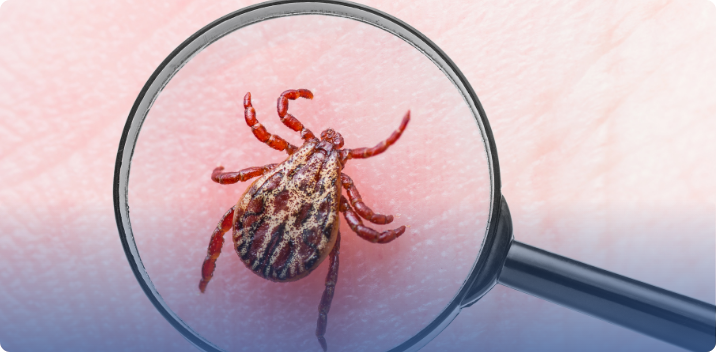
Co-infections: Ticks that carry Lyme often carry other pathogens simultaneously, including Babesia, Bartonella, and Anaplasma. If co-infections are not identified and treated, symptoms can persist even after the Lyme organism responds to antibiotics.
Neurological involvement: Lyme can affect the central and peripheral nervous system. Nerve damage or neuroinflammation may take significantly longer to resolve than the infection itself, producing symptoms like tingling, numbness, headaches, and brain fog.
Common Persistent Lyme Symptoms That Get Overlooked
Many patients with lingering Lyme symptoms have been told their lab work is normal or that the issue is psychological. The challenge is that PTLDS symptoms overlap with many other conditions, making them easy to dismiss. Watch for these patterns:
- Fatigue that does not improve with sleep and worsens after physical or mental exertion
- Migrating joint pain that shifts between knees, shoulders, wrists, and hips
- Brain fog, difficulty finding words, and impaired short-term memory
- Nerve symptoms including tingling, burning, or numbness in the extremities
- Sleep disruption despite adequate sleep hygiene
- Exercise intolerance or post-exertional crashes that last 24 to 48 hours
- Mood changes including anxiety, irritability, or depressive episodes that began with the illness
The key insight is that these symptoms follow patterns. They often worsen with specific triggers: poor sleep, high stress, certain foods, or physical overexertion. Tracking these patterns gives your clinician actionable data.
How Does Functional Medicine Evaluate Chronic Lyme?
Conventional medicine typically runs a standard Lyme panel (ELISA and Western Blot) and considers the case closed if antibiotics were completed. Functional medicine takes a broader view by asking: what systems are still disrupted, and what is keeping them that way?
At Prince Health, a functional medicine evaluation for post-treatment Lyme includes:
- Detailed symptom timeline: When did symptoms start? What makes them worse or better? Are there clear triggers or cycles?
- Comprehensive history review: Prior treatments, antibiotic courses, co-infection testing, environmental exposures, mold history, and stress load
- System-by-system assessment: Gut function, sleep architecture, hormonal balance, neurological status, and immune markers
- Identification of compounding factors: Mold exposure, heavy metal burden, food sensitivities, and adrenal dysfunction can all amplify Lyme symptoms
The goal is not to re-diagnose Lyme. It is to identify which body systems remain disrupted and what modifiable factors are preventing recovery.
Key Lab Tests for Post-Treatment Lyme Syndrome
Standard blood work rarely captures the full picture in chronic Lyme cases. A functional medicine workup may include:
- Specialty Lyme panels (IGeneX, Vibrant Wellness) that test for more antibody bands than standard ELISA/Western Blot
- Co-infection testing for Babesia, Bartonella, Anaplasma, Ehrlichia, and Rickettsia
- Inflammatory markers: C-reactive protein (CRP), erythrocyte sedimentation rate (ESR), and cytokine panels
- Immune function: Natural killer cell activity, immunoglobulin levels, and lymphocyte subset analysis
- Mycotoxin testing: Mold exposure is a common compounding factor in patients whose Lyme symptoms will not resolve
- Nutritional and metabolic markers: Vitamin D, B12, magnesium, zinc, and methylation pathway markers
- Hormone panels: Cortisol rhythm, thyroid (including free T3 and reverse T3), and sex hormones
These tests are not about finding one smoking gun. They are about building a complete picture of which systems need support, which allows for a targeted treatment plan rather than a guess-and-check approach.
What Treatments Help with Lingering Lyme Symptoms?
Treatment for PTLDS is not one-size-fits-all. The approach depends on which systems are most affected and what the lab data reveals. Common components of a functional medicine Lyme recovery plan include:
- Immune modulation: Supporting appropriate immune function rather than simply suppressing it, using targeted supplements, IV therapy, and lifestyle modifications
- Gut restoration: Many chronic Lyme patients have disrupted gut microbiomes from prolonged antibiotic use. Restoring gut integrity supports immune function and reduces systemic inflammation
- Neurological support: Addressing neuroinflammation through targeted supplementation, HBOT, and nervous system calming techniques
- Detoxification support: Binding and eliminating circulating toxins, mycotoxins, and metabolic waste that accumulate when the body is overwhelmed
- Nutritional optimization: Correcting deficiencies that impair healing and energy production
- Stress and sleep protocols: The nervous system plays a central role in symptom persistence. Addressing sleep quality and stress load is not optional in Lyme recovery
Progress is measured through repeat lab testing, symptom tracking, and functional benchmarks. The goal is measurable improvement over defined timeframes, not indefinite treatment.
Building a Recovery Plan at Prince Health in The Woodlands
If lingering Lyme symptoms have been affecting your quality of life and standard approaches have not provided answers, a functional medicine evaluation can change the trajectory.
Prince Health is located at 10847 Kuykendahl Rd #350, The Woodlands, TX. Our team takes a data-driven approach to post-treatment Lyme, combining comprehensive lab testing with individualized treatment protocols that address the root causes of persistent symptoms.
The first step is a detailed consultation where we review your history, current symptoms, and prior testing to build a clear picture of what needs attention.
Frequently Asked Questions
Can Lyme disease come back after treatment?
Reinfection is possible if you are bitten by another infected tick. Whether the original infection can truly relapse is debated in the medical community. What is clear is that symptoms can persist or recur due to immune dysregulation, co-infections, or nervous system involvement even after the primary infection has been treated.
What is chronic Lyme disease vs. post-treatment Lyme syndrome?
Post-Treatment Lyme Disease Syndrome (PTLDS) is the medically recognized term for persistent symptoms after standard antibiotic treatment. The term "chronic Lyme disease" is used more broadly and sometimes controversially. Regardless of terminology, the symptoms are real, measurable, and treatable when the right evaluation identifies contributing factors.
How long do Lyme disease symptoms last after antibiotics?
Most patients improve within weeks to months after completing antibiotics. However, 10% to 20% of patients report symptoms persisting for six months or longer. Some experience symptoms for years if underlying immune dysregulation, co-infections, or environmental factors are not addressed.
Does functional medicine work for Lyme disease?
Functional medicine addresses the systems-level dysfunction that perpetuates Lyme symptoms. By identifying and treating co-infections, immune imbalances, gut disruption, and nutritional deficiencies, many patients achieve meaningful improvement that conventional approaches alone did not provide. Outcomes depend on the individual case and the thoroughness of the evaluation.
What blood tests detect chronic Lyme disease?
Standard two-tier testing (ELISA plus Western Blot) misses some cases. Specialty labs like IGeneX and Vibrant Wellness offer expanded panels that test for more antibody bands and use different methodologies. Co-infection panels, inflammatory markers, and immune function tests provide additional diagnostic clarity.
Schedule an Appointment Today
Get optimized and highly effective care for your condition by visiting our office in The Woodlands, TX.