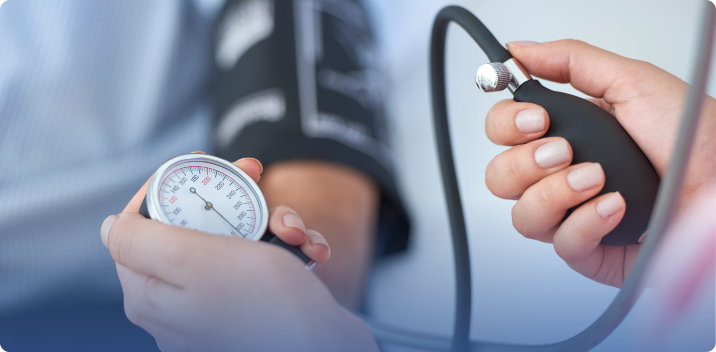
This article explores why blood pressure readings remain unstable despite good habits, examining factors like nervous system activation, neck tension, metabolic strain, and sleep quality. It outlines how functional medicine provides structured evaluation to identify the specific drivers affecting an individual's hypertension patterns.
High blood pressure that remains elevated despite medication adjustments often indicates that the root causes driving hypertension have not been identified or addressed. Standard treatment adds antihypertensive drugs in sequence, but rarely investigates why blood pressure is elevated in the first place. Functional medicine evaluates the metabolic, hormonal, nutritional, and inflammatory factors behind resistant hypertension. For patients in The Woodlands, TX whose numbers will not settle, this guide explains what advanced testing reveals and how a root-cause plan changes the trajectory.
Why Does Blood Pressure Stay High Despite Medication?
Antihypertensive medications manage the output of blood pressure but do not address the upstream drivers that keep it elevated. Resistant hypertension, defined as blood pressure that remains above target despite three or more medications at adequate doses, affects approximately 12% of hypertensive patients. Common underlying causes that standard treatment overlooks include:
- Insulin resistance, hyperinsulinemia promotes sodium retention and sympathetic nervous system activation, both of which raise blood pressure
- Chronic inflammation, arterial wall inflammation reduces vessel elasticity and impairs nitric oxide production
- Mineral imbalances, inadequate potassium, magnesium, and calcium relative to sodium intake disrupts vascular tone regulation
- Sleep apnea, intermittent hypoxia during sleep triggers catecholamine surges that elevate blood pressure throughout the day
- Adrenal dysfunction, excess aldosterone or cortisol directly raises blood pressure through fluid retention and vasoconstriction
- Heavy metal burden, lead, mercury, and cadmium accumulation impairs endothelial function and promotes vascular stiffness
- Gut dysbiosis, altered microbiome composition affects blood pressure through TMAO production and inflammatory signaling
When these factors remain unidentified, adding more medications produces diminishing returns. Functional medicine investigates these pathways systematically.
What Testing Does Functional Medicine Use for Hypertension?
A functional medicine evaluation for high blood pressure includes advanced testing that standard cardiology workups typically omit. The goal is to identify which specific mechanisms are driving your elevated readings:
Metabolic panel: Fasting insulin, HbA1c, and a comprehensive metabolic profile identify insulin resistance and glucose dysregulation that promote hypertension through sodium retention and sympathetic activation.
Inflammatory markers: High-sensitivity CRP, homocysteine, and oxidized LDL assess the degree of vascular inflammation contributing to arterial stiffness.
Mineral status: Red blood cell magnesium (not serum magnesium, which is a poor indicator), potassium, sodium-to-potassium ratio, and calcium levels reveal mineral imbalances that affect vascular smooth muscle tone.
Hormonal evaluation: Aldosterone-to-renin ratio screens for primary aldosteronism. Cortisol patterns via salivary testing identify adrenal-driven hypertension. Thyroid function including free T3 and reverse T3 rules out thyroid-mediated blood pressure elevation.
Toxic burden: Heavy metal testing through urine provocation identifies accumulated lead, mercury, or cadmium that impairs endothelial function.
Sleep assessment: Screening questionnaires and referral for sleep studies when obstructive sleep apnea is suspected.
How Does Insulin Resistance Drive High Blood Pressure?
Insulin resistance is one of the most common and most overlooked contributors to hypertension. When cells become resistant to insulin, the pancreas produces more insulin to compensate. This elevated insulin level, called hyperinsulinemia, raises blood pressure through multiple mechanisms:
- Sodium retention, insulin signals the kidneys to reabsorb sodium, increasing blood volume
- Sympathetic activation, hyperinsulinemia stimulates the sympathetic nervous system, raising heart rate and vascular tone
- Endothelial dysfunction, excess insulin impairs nitric oxide production, reducing the arteries' ability to dilate
- Arterial wall thickening, insulin promotes smooth muscle cell proliferation in arterial walls
The connection between insulin resistance and hypertension explains why many patients with high blood pressure also have elevated triglycerides, low HDL, and central obesity, the cluster known as metabolic syndrome. Treating blood pressure without addressing insulin resistance leaves a primary driver uncorrected.
Dietary modification that reduces processed carbohydrates, time-restricted eating, and regular physical activity can significantly improve insulin sensitivity and often produce measurable blood pressure reductions within weeks.
Can Magnesium and Other Minerals Lower Blood Pressure?
Yes, and the evidence is substantial. A meta-analysis of 34 randomized controlled trials published in Hypertension found that magnesium supplementation produced statistically significant reductions in both systolic and diastolic blood pressure. The effect was most pronounced in patients who were magnesium-deficient at baseline.
Magnesium affects blood pressure through:
- Vascular smooth muscle relaxation, magnesium acts as a natural calcium channel blocker
- Nitric oxide support, adequate magnesium is required for endothelial nitric oxide synthase function
- Stress hormone modulation, magnesium dampens cortisol and catecholamine release
- Insulin sensitivity, magnesium is a cofactor for insulin receptor function
Potassium is equally important. The DASH diet's blood pressure benefits are largely attributed to its high potassium-to-sodium ratio. Most Americans consume far less potassium than the recommended 4,700 mg daily.
Coenzyme Q10 has been shown in clinical trials to reduce systolic blood pressure by 11 to 17 mmHg in hypertensive patients. It supports mitochondrial function in cardiac muscle and acts as an antioxidant in vascular tissue.
At Prince Health, mineral and nutrient status is assessed through lab testing so supplementation is targeted rather than generic.
What Lifestyle Changes Have the Strongest Impact on Blood Pressure?
Lifestyle modifications can produce blood pressure reductions equivalent to one or two medications when implemented consistently. The most impactful interventions, ranked by expected effect size:
- Weight loss, each kilogram lost reduces systolic blood pressure by approximately 1 mmHg. Visceral fat reduction has the strongest effect because it directly reduces inflammatory cytokine production.
- DASH-style dietary pattern, emphasizing vegetables, fruits, lean protein, and potassium-rich foods while reducing processed carbohydrates and sodium can lower systolic pressure by 8 to 14 mmHg.
- Regular aerobic exercise, 150 minutes per week of moderate-intensity activity reduces systolic blood pressure by 5 to 8 mmHg.
- Sleep optimization, treating sleep apnea and achieving 7 to 8 hours of quality sleep normalizes overnight blood pressure patterns and reduces daytime sympathetic activation.
- Stress management, chronic stress elevates cortisol and catecholamines. Structured relaxation techniques including breathwork and meditation produce measurable blood pressure improvements.
- Alcohol reduction, limiting intake to one or fewer drinks daily can reduce systolic pressure by 2 to 4 mmHg.
These interventions are not alternatives to medication when blood pressure is dangerously elevated. They are foundational strategies that address root causes, reduce the number of medications needed, and improve outcomes beyond what drugs alone achieve.
Take Control of Your Blood Pressure at Prince Health
Prince Health is located at 10847 Kuykendahl Rd #350, The Woodlands, TX. Our functional medicine team investigates why your blood pressure remains elevated rather than simply adding medications. Through advanced testing, metabolic evaluation, and targeted intervention, we build a personalized plan that addresses the specific drivers behind your numbers. If standard treatment has not produced the results you expected, a root-cause evaluation is the logical next step.
Frequently Asked Questions
Can functional medicine cure high blood pressure?
Functional medicine can identify and correct modifiable root causes of hypertension, which in many cases allows patients to achieve normal blood pressure with fewer medications or, in some instances, without medication. The outcome depends on which factors are driving the elevation and how responsive they are to intervention. Genetic predisposition to hypertension may still require some pharmaceutical support.
How quickly does functional medicine lower blood pressure?
Some interventions produce measurable results within weeks. Magnesium supplementation, dietary changes, and sleep optimization can lower blood pressure noticeably within two to four weeks. Addressing insulin resistance and chronic inflammation produces more gradual improvement over two to six months. Progress is tracked with home blood pressure monitoring and follow-up lab work.
Is it safe to reduce blood pressure medication with functional medicine?
Medication reduction should only occur under clinical supervision with regular blood pressure monitoring. As root-cause factors are corrected and blood pressure improves, medications can often be tapered gradually. This process is managed collaboratively between your functional medicine provider and cardiologist or primary care physician.
What is the most common missed cause of high blood pressure?
Insulin resistance is arguably the most frequently overlooked contributor. Standard blood work may show normal fasting glucose while fasting insulin is significantly elevated, indicating that the body is compensating for resistance. This state promotes hypertension through sodium retention, sympathetic activation, and endothelial dysfunction, none of which antihypertensive medications directly address.
Does stress really cause high blood pressure?
Chronic stress contributes to sustained hypertension through persistent elevation of cortisol and catecholamines, which increase heart rate, vascular tone, and sodium retention. While acute stress causes temporary blood pressure spikes, chronic stress creates a baseline elevation that compounds other risk factors. Addressing stress physiology is a legitimate component of blood pressure management, not a dismissive recommendation.
Schedule an Appointment Today
Get optimized and highly effective care for your condition by visiting our office in The Woodlands, TX.