This article provides guidance on approaching IV ozone therapy in The Woodlands when mold or mycotoxin exposure is suspected, emphasizing the importance of pattern identification and safety screening before pursuing treatment.
Mold and mycotoxin exposure produces a constellation of symptoms, from fatigue and brain fog to joint pain and respiratory issues, that often goes undiagnosed because standard lab work does not screen for mycotoxin burden or the immune dysregulation it causes. IV ozone therapy is one of the clinical tools used to support detoxification, modulate the immune response, and reduce the oxidative stress that mycotoxins generate. For residents of The Woodlands, TX who suspect mold exposure is behind their persistent symptoms, this guide covers what to ask, what testing reveals, and how ozone therapy fits into a comprehensive recovery plan.
How Does Mold Exposure Affect the Body?
Mold illness is not an allergy in the traditional sense. It is a biotoxin-mediated inflammatory condition that affects multiple organ systems simultaneously. Mycotoxins, the toxic compounds produced by certain mold species including Aspergillus, Stachybotrys, and Penicillium, are small enough to cross cell membranes and disrupt cellular function throughout the body.
Once mycotoxins enter the body through inhalation, ingestion, or skin contact, they trigger a cascade of effects:
- Immune dysregulation, mycotoxins can suppress or overstimulate immune pathways, creating chronic inflammation without effective pathogen clearance
- Mitochondrial damage, mycotoxins impair electron transport chain function, reducing cellular energy production
- Oxidative stress, mycotoxin metabolism generates reactive oxygen species that damage cell membranes, DNA, and proteins
- Hormonal disruption, certain mycotoxins are endocrine disruptors that affect cortisol, thyroid, and sex hormone pathways
- Neuroinflammation, mycotoxins cross the blood-brain barrier and trigger glial cell activation, producing brain fog, memory issues, and mood changes
Approximately 25% of the population carries HLA gene variants that impair their ability to recognize and clear biotoxins efficiently. These individuals are genetically predisposed to chronic inflammatory response syndrome (CIRS) following mold exposure.
What Is IV Ozone Therapy and How Does It Help with Mold Illness?
IV ozone therapy introduces medical-grade ozone (O3) into the bloodstream to stimulate oxygen metabolism, modulate immune function, and enhance the body's detoxification capacity. The treatment works through several mechanisms relevant to mold illness:
- Oxidative preconditioning, controlled oxidative stress from ozone activates the body's antioxidant defense systems, including glutathione, superoxide dismutase, and catalase. This upregulation helps neutralize the ongoing oxidative damage from mycotoxins.
- Immune modulation, ozone therapy influences cytokine balance, reducing the excessive inflammatory signaling that characterizes mold illness while supporting appropriate immune surveillance.
- Improved oxygen delivery, ozone increases red blood cell flexibility and releases oxygen more efficiently to tissues, addressing the hypoxic cellular environment that mycotoxins create.
- Enhanced detoxification, improved circulation and liver oxygenation support the phase I and phase II detoxification pathways responsible for processing and eliminating mycotoxins.
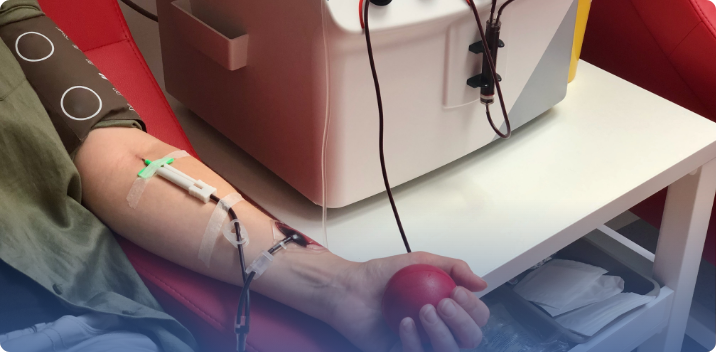
At Prince Health in The Woodlands, IV ozone therapy is administered using major autohemotherapy (MAH), where a measured volume of blood is drawn, mixed with medical-grade ozone at a precise concentration, and reinfused. The procedure takes approximately 30 to 60 minutes.
What Questions Should You Ask Before Starting Mold Treatment?
Before beginning any mold illness treatment protocol, several critical questions need answers:
Has the exposure source been identified and remediated? Treating the body while continuing to breathe contaminated air produces minimal results. Professional mold inspection and remediation must come first or occur alongside treatment.
What testing confirms mycotoxin exposure? Urinary mycotoxin panels (such as those from RealTime Labs or Great Plains Laboratory) detect specific mycotoxin metabolites. Environmental testing through ERMI or HERTSMI-2 panels confirms the presence of problematic mold species in your living or working space.
Are there other contributing factors? Mold illness patients frequently have concurrent issues including Lyme disease, heavy metal burden, gut dysbiosis, and compromised methylation that need to be addressed simultaneously for optimal recovery.
What does the full treatment plan include? IV ozone therapy is most effective as part of a comprehensive protocol that includes binders, glutathione support, dietary modification, and ongoing monitoring.
What Does a Comprehensive Mold Recovery Protocol Include?
Effective mold illness treatment requires a multi-pronged approach because mycotoxins affect the body through multiple pathways simultaneously. A well-structured protocol typically includes:
Binding agents: Cholestyramine, activated charcoal, bentonite clay, or modified citrus pectin bind mycotoxins in the gut and prevent reabsorption through enterohepatic circulation. Binder selection depends on which specific mycotoxins are detected.
IV ozone therapy: Scheduled sessions (typically 1 to 2 per week for 10 to 20 sessions) support immune modulation, antioxidant upregulation, and cellular oxygenation.
Glutathione support: IV glutathione or liposomal oral glutathione replenishes the body's master antioxidant, which is heavily depleted during mycotoxin exposure.
Anti-inflammatory nutrition: Removing inflammatory foods (gluten, dairy, sugar, processed oils) and emphasizing anti-inflammatory nutrients reduces the total inflammatory burden.
Nasal treatment: BEG spray (bactroban, EDTA, gentamicin) or colloidal silver nasal irrigation addresses colonized mold in the sinus passages, which can serve as a continuous internal exposure source.
Supportive IV therapy: Vitamin C, B vitamins, and mineral infusions address the nutrient depletion that accompanies chronic mold illness.
How Many IV Ozone Sessions Are Needed for Mold Recovery?
Most mold illness patients undergo 10 to 20 IV ozone sessions, typically scheduled once or twice per week over several weeks to months. The number depends on:
- The duration and severity of mold exposure
- Mycotoxin levels on initial and follow-up testing
- HLA genotype and individual detoxification capacity
- The presence of concurrent conditions like Lyme disease or heavy metal toxicity
- Symptomatic response to treatment
Improvement often follows a non-linear pattern. Some patients experience a temporary worsening of symptoms during the early phase of treatment as mycotoxins are mobilized from tissue storage. This "detox reaction" is managed by adjusting treatment intensity, supporting elimination pathways, and ensuring adequate binder use.
Progress is tracked through symptom questionnaires, follow-up mycotoxin testing, and inflammatory biomarkers. The goal is measurable reduction in mycotoxin burden and sustained improvement in symptoms.
Begin Your Mold Recovery at Prince Health in The Woodlands
Prince Health is located at 10847 Kuykendahl Rd #350, The Woodlands, TX. If unexplained fatigue, cognitive issues, respiratory problems, or multi-system symptoms have persisted despite conventional treatment, mold and mycotoxin evaluation may provide the answers standard testing has missed. Our team uses targeted diagnostics, IV ozone therapy, and comprehensive detoxification protocols to support recovery from biotoxin illness.
Frequently Asked Questions
Is IV ozone therapy safe for mold illness patients?
Yes, when administered by trained clinicians at appropriate concentrations. IV ozone therapy has been used in clinical settings for decades with an excellent safety profile. The most common side effect is mild fatigue after the session. Patients with G6PD deficiency require screening before treatment, as ozone can trigger hemolysis in this genetic condition.
How do you test for mold and mycotoxin exposure?
Urinary mycotoxin panels detect specific mycotoxin metabolites excreted by the body. Environmental testing through ERMI panels identifies mold species present in your home or workplace. Blood markers including TGF-beta 1, C4a, MSH, and VIP assess the degree of biotoxin-mediated immune activation. HLA genetic testing identifies whether you carry gene variants that impair mycotoxin clearance.
Can you recover from mold illness completely?
Most patients achieve significant or complete recovery when the exposure source is remediated, mycotoxin burden is reduced through targeted treatment, and contributing factors are addressed. Recovery timelines vary from months to over a year depending on exposure duration, genetic susceptibility, and the complexity of the clinical picture. Ongoing environmental vigilance is important to prevent re-exposure.
How much does IV ozone therapy cost for mold treatment?
Individual IV ozone sessions typically range from $200 to $500. A full course of 10 to 20 sessions represents a significant investment in recovery. Prince Health provides transparent pricing and can discuss treatment packages during your consultation.
What is the difference between mold allergy and mold illness?
Mold allergy involves an IgE-mediated immune response to mold spores, producing typical allergy symptoms like sneezing, itchy eyes, and nasal congestion. Mold illness (CIRS) is a biotoxin-mediated inflammatory condition where mycotoxins trigger multi-system dysfunction including fatigue, cognitive impairment, pain, and hormonal disruption. The two conditions require different testing and treatment approaches.
Schedule an Appointment Today
Get optimized and highly effective care for your condition by visiting our office in The Woodlands, TX.