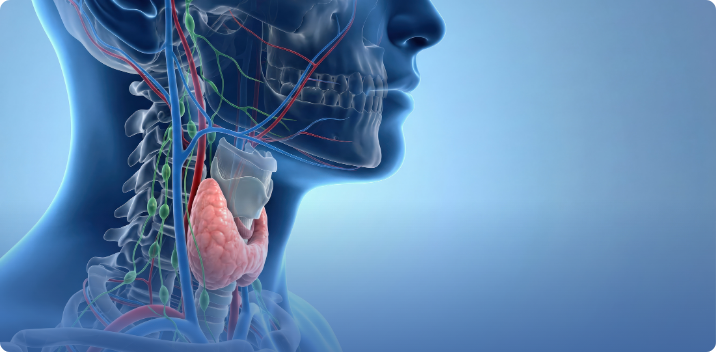
Thyroid malfunction symptoms often masquerade as stress or fatigue in busy adults, making them easy to overlook. Laboratory testing is essential to distinguish between hypothyroid and hyperthyroid patterns and guide appropriate treatment decisions.
Millions of Americans experience fatigue, weight changes, hair thinning, and mood shifts that point to thyroid dysfunction, yet their lab results come back labeled as normal. The problem is not that these patients are imagining their symptoms. The problem is that standard thyroid screening misses the full picture. For patients in The Woodlands, TX who have been told their thyroid is fine despite persistent symptoms, understanding why comprehensive labs matter can change the trajectory of their care.
What Does the Thyroid Actually Control?
The thyroid gland regulates metabolic rate in virtually every cell in the body, which is why thyroid dysfunction produces such a wide range of symptoms. This butterfly-shaped gland at the base of the neck produces two primary hormones: thyroxine (T4) and triiodothyronine (T3).
T4 is the storage form, produced in much larger quantities. T3 is the active form that cells actually use. The conversion of T4 to T3 happens primarily in the liver, gut, and peripheral tissues, and this conversion process is where many patients develop problems that standard testing completely overlooks.
The thyroid influences:
- Energy production and metabolism at the cellular level
- Heart rate and cardiac output
- Body temperature regulation
- Digestive motility and nutrient absorption
- Hair growth, skin integrity, and nail strength
- Cognitive function, mood, and mental clarity
- Menstrual regularity and fertility
- Cholesterol metabolism and lipid levels
When thyroid output is insufficient or when the body cannot properly convert and utilize thyroid hormones, every one of these systems is affected.
Why Does Standard Thyroid Testing Fall Short?
Most conventional thyroid screening consists of TSH alone, or TSH plus total T4. While TSH is a useful screening marker, it only tells you what the pituitary gland thinks about thyroid levels. It does not reveal how much active hormone your cells are actually receiving.
Here is what standard testing misses:
- Free T3 levels, which measure the active hormone available to cells. A patient can have normal TSH and T4 but inadequate T3 if conversion is impaired.
- Reverse T3, which is an inactive form of T3 that blocks cellular receptors. High reverse T3 effectively creates a functional hypothyroid state even when other markers look normal.
- Thyroid antibodies (TPO and thyroglobulin antibodies) that indicate Hashimoto's thyroiditis, the most common cause of hypothyroidism. Antibodies can be elevated for years before TSH becomes abnormal.
- Free T4, the unbound form actually available for conversion, as opposed to total T4 which includes protein-bound hormone the body cannot use.
Functional medicine testing orders the complete thyroid panel because treating symptoms requires understanding the full hormonal cascade, not just the pituitary signal.
What Are the Most Overlooked Thyroid Malfunction Symptoms?
Beyond the classic symptoms of fatigue and weight gain, thyroid dysfunction produces a range of symptoms that patients and providers often attribute to other causes:
- Persistent brain fog and difficulty with word retrieval
- Morning stiffness and joint achiness without an orthopedic cause
- Eyebrow thinning, particularly the outer third
- Dry, cracking skin on the heels and elbows
- Constipation that does not respond to fiber supplementation
- Elevated cholesterol despite a healthy diet
- Feeling cold when others are comfortable
- Heavy or irregular menstrual periods
- Depressed mood that does not fully respond to antidepressants
- Puffy face and fluid retention, especially in the morning
These symptoms develop gradually, which is why many patients normalize them or attribute them to aging. When a comprehensive thyroid panel reveals subclinical dysfunction, patients often realize these symptoms have been building for years.
Is Hashimoto's Thyroiditis Different from Hypothyroidism?
Hashimoto's is an autoimmune condition that attacks the thyroid gland and is the cause of approximately 90% of hypothyroid cases in the United States. The distinction matters because treating Hashimoto's requires addressing the autoimmune process, not just supplementing thyroid hormone.
In Hashimoto's, the immune system produces antibodies against thyroid peroxidase (TPO) and thyroglobulin, gradually destroying thyroid tissue. This destruction often occurs in waves, which can produce alternating periods of hypothyroid and hyperthyroid symptoms as stored hormone is released from damaged cells.
Standard treatment replaces the missing hormone with levothyroxine but does nothing to slow the autoimmune destruction. Functional medicine adds a critical layer by identifying and addressing the triggers that drive autoimmune activity, including gut permeability, food sensitivities, chronic infections, nutrient deficiencies, and environmental toxin exposure.
What Factors Impair Thyroid Hormone Conversion?
Even patients with adequate thyroid hormone production can experience hypothyroid symptoms if T4-to-T3 conversion is compromised. Key factors that impair conversion include:
- Chronic stress and elevated cortisol, which shunt T4 toward reverse T3 instead of active T3
- Nutrient deficiencies, particularly selenium, zinc, iron, and vitamin D, all of which are required cofactors for conversion enzymes
- Gut dysbiosis and intestinal inflammation, since approximately 20% of T4-to-T3 conversion occurs in the gut
- Liver dysfunction, as the liver handles the majority of thyroid hormone conversion
- Chronic inflammation from any source, which increases reverse T3 production
- Caloric restriction and extreme dieting, which triggers a protective metabolic slowdown
Addressing these conversion barriers often resolves symptoms that persist despite adequate thyroid medication dosing. This is why patients on levothyroxine who still feel hypothyroid frequently improve when conversion-supporting nutrients and lifestyle factors are optimized.
How Does Functional Testing Change the Treatment Approach?
When a full thyroid panel reveals the specific pattern of dysfunction, treatment becomes targeted rather than generic:
High TSH with low free T4 and T3: Classic primary hypothyroidism requiring hormone replacement plus investigation of the underlying cause.
Normal TSH with low free T3 and high reverse T3: Conversion disorder requiring nutrient optimization, stress management, and potentially T3 supplementation.
Elevated antibodies with normal TSH: Early Hashimoto's requiring autoimmune management to slow progression before the gland fails.
Normal labs with persistent symptoms: Warrants evaluation of cortisol patterns, sex hormones, and inflammatory markers that interact with thyroid function.
This pattern-based approach produces better outcomes because it matches the intervention to the specific mechanism rather than applying the same prescription to every patient.
Get Comprehensive Thyroid Testing at Prince Health in The Woodlands
If thyroid symptoms have persisted despite being told your labs are normal, a comprehensive thyroid panel can reveal what standard screening misses.
Prince Health is located at 10847 Kuykendahl Rd #350, The Woodlands, TX. Our functional medicine evaluation includes a full thyroid panel with free T3, free T4, reverse T3, thyroid antibodies, and supporting nutrient markers. We interpret results within optimal ranges, not just reference ranges, because the goal is optimal function, not the absence of disease.
Frequently Asked Questions
What is the most accurate thyroid test?
No single test is sufficient. The most accurate assessment includes TSH, free T4, free T3, reverse T3, and thyroid antibodies (TPO and thyroglobulin). Together, these markers reveal production levels, conversion efficiency, autoimmune status, and cellular availability of active hormone. TSH alone misses conversion disorders, early Hashimoto's, and reverse T3 elevation.
Can thyroid problems cause anxiety and heart palpitations?
Yes. Both hyperthyroidism and Hashimoto's flares can produce anxiety, rapid heart rate, and palpitations. In Hashimoto's, autoimmune attacks on the gland release stored hormone into the bloodstream, temporarily creating hyperthyroid symptoms. This is why some patients alternate between hypothyroid and hyperthyroid symptoms.
How long does it take to feel better after starting thyroid treatment?
Most patients notice initial improvement in energy and mood within two to four weeks of starting appropriate thyroid support. Full optimization of symptoms including hair regrowth, weight normalization, and cognitive clarity typically takes three to six months. Treatment adjustments based on follow-up labs ensure the dose and approach are dialed in correctly.
Does diet affect thyroid function?
Diet significantly impacts thyroid health. Selenium-rich foods support T4-to-T3 conversion. Iodine is essential for hormone production but excess can worsen Hashimoto's. Gluten has been associated with increased thyroid antibody levels in susceptible individuals. A personalized nutrition plan based on your specific thyroid pattern and lab results produces the best outcomes.
Can stress cause thyroid dysfunction?
Chronic stress does not cause primary thyroid disease, but it significantly impairs thyroid hormone conversion by elevating cortisol, which increases reverse T3 production and reduces active T3 availability. This creates a functional hypothyroid state that produces real symptoms even when TSH remains within the reference range.
Schedule an Appointment Today
Get optimized and highly effective care for your condition by visiting our office in The Woodlands, TX.