This article examines how hyperbaric oxygen therapy is used clinically to support long COVID recovery by examining the physiological mechanisms involved and how functional medicine principles guide individualized treatment plans at Prince Health and Wellness.
For many people dealing with long COVID, the most frustrating part is that standard blood work often comes back normal while daily life still feels far from it. Fatigue that does not match your effort level, brain fog that disrupts work, and exercise intolerance that appeared after a viral illness can persist for months. Hyperbaric oxygen therapy (HBOT) is emerging as a clinical tool that addresses the cellular-level damage behind these lingering symptoms. This guide explains how HBOT works for long COVID recovery, what the research shows, and what to expect at Prince Health in The Woodlands.
Can Hyperbaric Oxygen Therapy Help with Long COVID?
Yes, and the mechanism is straightforward. Long COVID often involves persistent inflammation, impaired blood flow to small vessels, and mitochondrial dysfunction that standard medications do not directly address. HBOT works by delivering oxygen at pressures higher than sea level, which saturates plasma and reaches tissues that red blood cells cannot efficiently supply.
This matters because many long COVID symptoms trace back to oxygen-deprived tissue. When small blood vessels in the brain, lungs, or muscles remain inflamed or clotted from the initial infection, normal breathing cannot compensate. HBOT bypasses that bottleneck by dissolving oxygen directly into the plasma, cerebrospinal fluid, and interstitial spaces.
Clinical trials published in Scientific Reports (2022) found that long COVID patients who received HBOT showed significant improvements in cognitive function, fatigue scores, and exercise capacity compared to controls. The improvements correlated with measurable changes in brain perfusion on imaging.
How HBOT Works at the Cellular Level
Understanding why HBOT helps requires looking at what long COVID does to the body:
Endothelial damage: The virus can injure the inner lining of blood vessels, reducing blood flow to tissues that depend on consistent oxygen delivery. HBOT promotes angiogenesis, the formation of new blood vessels, which helps restore circulation to damaged areas.
Mitochondrial dysfunction: Mitochondria are the energy factories inside every cell. When they are damaged by viral inflammation, cells produce less ATP, which manifests as fatigue and exercise intolerance. HBOT provides the raw material, oxygen, that mitochondria need to resume normal energy production.
Neuroinflammation: Brain fog, memory issues, and difficulty concentrating often reflect inflammation in the central nervous system. HBOT has been shown to reduce neuroinflammatory markers and improve cerebral blood flow, which correlates with cognitive improvement in clinical studies.
Immune dysregulation: Some long COVID patients have overactive immune responses that perpetuate tissue damage. HBOT modulates inflammatory cytokines and supports immune system recalibration.
What Long COVID Symptoms Does HBOT Address?
HBOT is most commonly used for long COVID patients experiencing these persistent symptoms:
- Fatigue that does not improve with rest or sleep optimization
- Brain fog, difficulty concentrating, and short-term memory problems
- Exercise intolerance or post-exertional malaise
- Shortness of breath that persists after pulmonary function tests come back normal
- Headaches that began after the viral illness
- Sleep disruption and autonomic dysfunction
- Muscle and joint pain without a clear orthopedic cause
Not every long COVID symptom responds equally to HBOT. Patients with documented cognitive decline and fatigue tend to show the most consistent improvements in published research. A clinical evaluation helps determine whether your specific symptom profile is likely to benefit.
What to Expect During an HBOT Session
At Prince Health's wellness center, HBOT sessions follow a predictable routine:
Before your session: You change into comfortable clothing. Metal objects, electronics, and certain cosmetics are removed for safety inside the pressurized chamber.
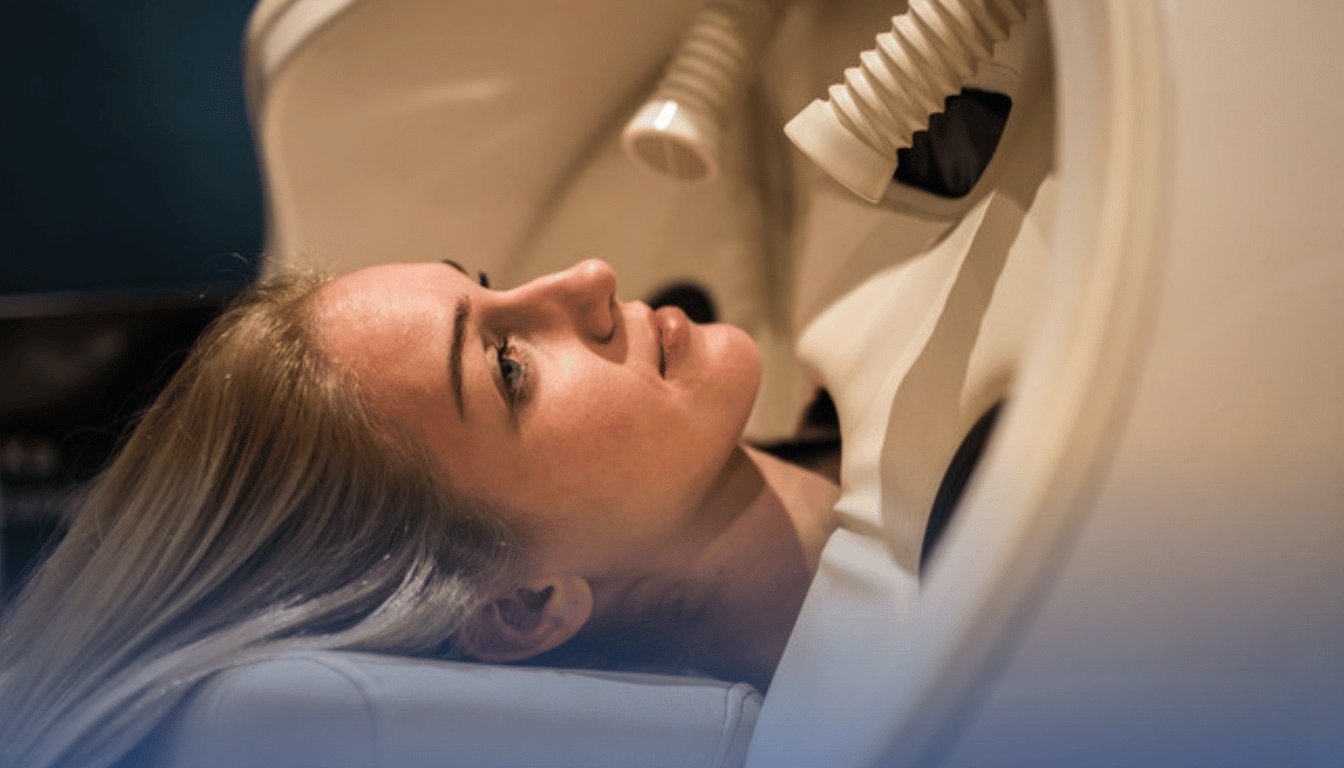
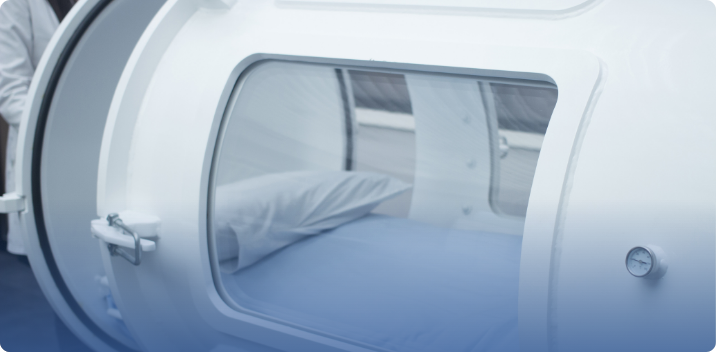
During the session: You recline inside the hyperbaric chamber while pressure gradually increases to the prescribed level, typically 1.5 to 2.0 atmospheres. The entire session lasts 60 to 90 minutes. Most patients read, listen to audio, or simply rest. You may feel mild pressure in your ears during pressurization, similar to an airplane descent.
After the session: Pressure returns to normal over several minutes. Most patients feel relaxed afterward. Some notice mild fatigue on treatment days, which typically resolves by the following morning. There is no downtime, and you can drive yourself home.
How Many HBOT Sessions Are Needed for Long COVID?
Most clinical protocols for long COVID involve 20 to 40 HBOT sessions, typically scheduled five days per week over four to eight weeks. The exact number depends on symptom severity and how quickly you respond.
Many patients report noticeable improvements around sessions 10 to 15. Cognitive function often improves first, followed by energy levels and exercise tolerance. Some patients achieve their goals in 20 sessions, while others with more severe or longstanding symptoms benefit from a full 40-session course.
Progress is tracked with validated outcome measures including cognitive assessments, fatigue questionnaires, and functional benchmarks. This data-driven approach helps determine when you have received adequate treatment versus when additional sessions are warranted.
Clinical Evidence and Research on HBOT for Post-COVID Recovery
The evidence base for HBOT in long COVID has grown substantially since 2021:
- A randomized controlled trial published in Scientific Reports (Zilberman-Itskovich et al., 2022) found significant improvements in cognitive function, psychiatric symptoms, fatigue, and pain in long COVID patients treated with HBOT.
- Brain imaging studies showed increased cerebral blood flow and microstructural changes in white matter tracts after HBOT, correlating with cognitive improvement.
- A systematic review in Journal of Clinical Medicine (2023) concluded that HBOT shows promise for long COVID neurocognitive and fatigue symptoms, while noting that larger trials are ongoing.
- The Undersea and Hyperbaric Medical Society recognizes post-viral recovery as an emerging application, and several major medical centers are conducting trials.
HBOT is not positioned as a cure for long COVID. It is a clinical tool that addresses specific physiological mechanisms, particularly oxygen delivery, inflammation, and vascular repair, that drive persistent symptoms.
Getting Started with HBOT at Prince Health in The Woodlands
If long COVID symptoms have persisted despite standard medical care, an HBOT evaluation at Prince Health can help clarify whether this therapy fits your recovery plan.
Prince Health is located at 10847 Kuykendahl Rd #350, The Woodlands, TX. We offer clinical-grade hyperbaric chambers, individualized treatment protocols, and outcome tracking so you can measure your progress objectively.
The first step is a consultation where we review your symptoms, medical history, and any prior testing to determine whether HBOT is likely to benefit your specific situation.
Frequently Asked Questions
Is hyperbaric oxygen therapy safe for long COVID patients?
Yes. HBOT has an excellent safety profile when administered in a clinical setting with proper protocols. The most common side effect is mild ear pressure during pressurization, similar to flying. Serious complications are rare. Patients with certain conditions such as untreated pneumothorax or specific seizure disorders may not be candidates, which is why a pre-treatment evaluation is essential.
How much does HBOT cost for long COVID treatment?
Individual HBOT sessions typically range from $150 to $400 depending on the facility and protocol. A full course of 20 to 40 sessions represents a significant investment. Prince Health provides transparent pricing and can discuss package options during your consultation. Some patients use HSA or FSA funds for treatment.
How quickly does HBOT work for long COVID symptoms?
Most patients begin noticing improvements around sessions 10 to 15, typically within the first two to three weeks of a five-day-per-week schedule. Cognitive improvements often appear first, followed by energy and exercise tolerance gains. Full benefits typically develop over the complete treatment course.
Can HBOT help with long COVID brain fog?
Brain fog is one of the symptoms most consistently improved by HBOT in clinical studies. The therapy increases oxygen delivery to the brain, reduces neuroinflammation, and promotes vascular repair in cerebral tissue. Published trials show measurable improvements in attention, processing speed, and executive function.
Is HBOT covered by insurance for long COVID?
Most insurance plans do not currently cover HBOT for long COVID, as it is considered an emerging application. Coverage may vary by state and carrier. Prince Health can provide documentation of medical necessity that some patients have used when appealing to their insurance providers.
Schedule an Appointment Today
Get optimized and highly effective care for your condition by visiting our office in The Woodlands, TX.