This comprehensive guide explains hyperbaric oxygen therapy (HBOT) as a treatment that increases oxygen delivery to support the body's natural repair processes. The article details who might benefit, potential applications for conditions like long COVID and chronic inflammation, what to expect during sessions, and important considerations about candidacy and realistic expectations for outcomes.
Hyperbaric oxygen therapy (HBOT) delivers 100% oxygen at pressures above normal atmospheric levels, dramatically increasing the amount of dissolved oxygen in your blood plasma. This elevated oxygen concentration reaches tissues that conventional breathing cannot adequately supply, supporting wound healing, neurological recovery, and cellular repair. Here is what you need to know before considering HBOT for your condition.
What Is Hyperbaric Oxygen Therapy?
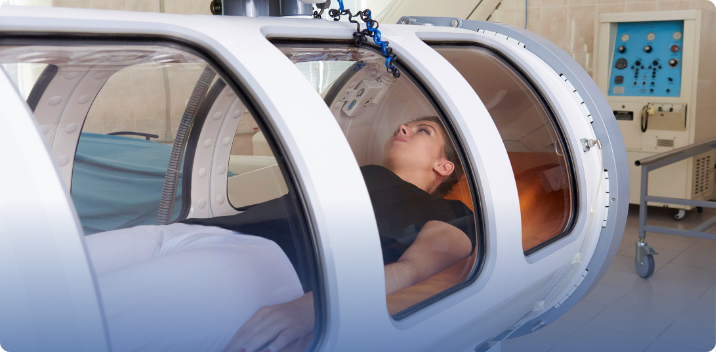
During HBOT, you enter a pressurized chamber where atmospheric pressure is increased to 1.3 to 2.0 atmospheres absolute (ATA) while breathing concentrated oxygen. Under normal conditions, oxygen binds to hemoglobin in red blood cells and travels to tissues through capillary networks. Under hyperbaric conditions, oxygen dissolves directly into blood plasma, cerebrospinal fluid, and interstitial fluids at concentrations 10 to 15 times higher than normal.
This dissolved oxygen bypasses the hemoglobin delivery system entirely, meaning it can reach areas with compromised blood flow where red blood cells cannot adequately deliver their oxygen payload. This mechanism explains why HBOT is particularly effective for conditions involving:
- Ischemic tissue with reduced blood supply
- Edema-compressed capillary beds
- Damaged microvasculature from radiation, diabetes, or trauma
- Neurological tissue with impaired oxygen delivery
The therapy has been used in clinical medicine for decades, with well-established protocols for conditions ranging from non-healing wounds to post-concussion recovery.
Who Benefits Most from Hyperbaric Oxygen Therapy?
HBOT serves a broad range of patients, but certain conditions respond particularly well to pressurized oxygen delivery:
Chronic wound healing, diabetic foot ulcers, surgical wounds, and radiation-damaged tissue that fail to heal with conventional care often respond to HBOT because the elevated oxygen levels stimulate angiogenesis (new blood vessel growth) and fibroblast activity.
Post-concussion and traumatic brain injury, emerging evidence supports HBOT for persistent post-concussive symptoms including brain fog, fatigue, and cognitive difficulties. The increased oxygen availability supports neuroplasticity and reduces neuroinflammation.
Long COVID recovery, patients with lingering fatigue, cognitive dysfunction, and exercise intolerance after COVID-19 infection have shown improvements with structured HBOT protocols. The therapy addresses the microvascular damage and mitochondrial dysfunction that contribute to persistent symptoms.
Post-surgical recovery, HBOT accelerates tissue repair and reduces post-operative swelling by enhancing oxygen delivery to healing surgical sites.
Radiation tissue injury, patients who develop tissue damage from cancer radiation therapy benefit from HBOT's ability to stimulate new blood vessel growth in irradiated areas.
What Happens During an HBOT Session?
Understanding what to expect removes the anxiety many patients feel about entering a pressurized chamber for the first time.
Before your session: You change into cotton clothing provided by the clinic. Metal objects, electronics, and petroleum-based products are removed because they pose safety risks in an oxygen-enriched environment. Your practitioner reviews any symptoms or concerns.
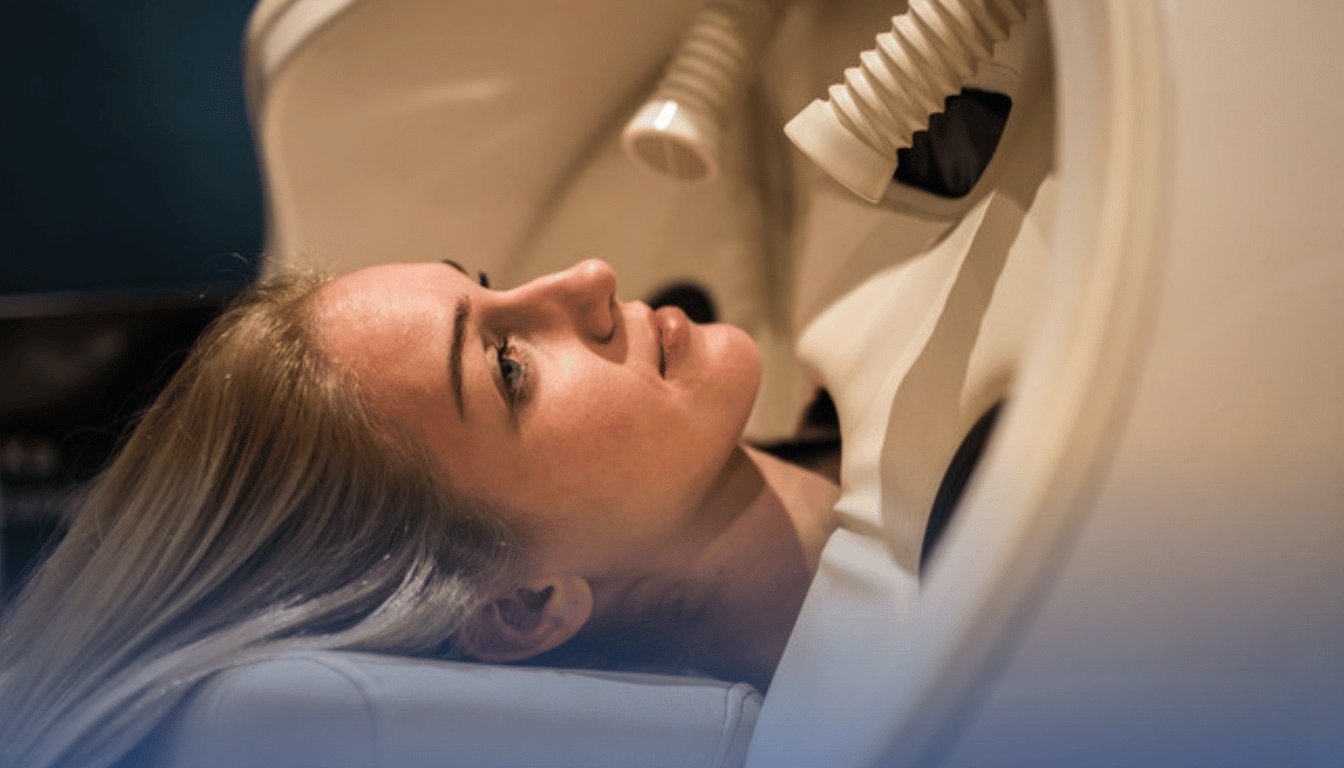
Pressurization phase (5 to 10 minutes): The chamber gradually increases to the prescribed pressure. You may feel fullness in your ears, similar to airplane descent. Swallowing, yawning, or using the Valsalva maneuver equalizes the pressure. Most patients find this the only mildly uncomfortable part of the experience.
Treatment phase (60 to 90 minutes): Once at pressure, you breathe normally and relax. Many patients read, listen to music, or sleep. The chamber is well-lit and climate-controlled.
Depressurization phase (5 to 10 minutes): Pressure gradually returns to normal. This phase is typically uneventful and comfortable.
Total time from entering to exiting the chamber is approximately 75 to 120 minutes depending on the protocol.
How Many HBOT Sessions Are Needed?
Treatment frequency and duration depend on the condition being addressed. General guidelines include:
- Acute conditions (post-surgical, sports injury): 5 to 10 sessions over 1 to 2 weeks
- Chronic wounds: 20 to 40 sessions, typically 5 days per week
- Neurological conditions (TBI, post-concussion): 20 to 40 sessions over 4 to 8 weeks
- Long COVID: 10 to 20 sessions, frequency based on symptom severity
- General wellness and recovery optimization: 10 to 20 sessions as a baseline course
Improvement is typically cumulative rather than immediate. Many patients notice subtle changes after 5 to 10 sessions, with more significant improvements emerging as the total session count increases. The biological processes HBOT initiates, angiogenesis, stem cell mobilization, and mitochondrial repair, take time to produce measurable results.
Are There Risks or Side Effects of HBOT?
HBOT is considered safe when administered according to established protocols, but patients should be aware of potential side effects:
Common and temporary:
- Ear pressure or mild barotrauma (addressed with equalization techniques)
- Temporary myopia (nearsightedness) that resolves within weeks of completing treatment
- Fatigue after sessions, particularly in the early treatment phase
- Sinus pressure if congested during treatment
Rare:
- Oxygen toxicity seizure (extremely rare at pressures used in clinical settings)
- Pneumothorax in patients with certain lung conditions
- Claustrophobia, though modern chambers are designed to minimize this
Contraindications include untreated pneumothorax, certain chemotherapy medications, and uncontrolled high fevers. Your HBOT provider should perform a thorough screening before beginning any treatment course.
What Does the Research Say About HBOT Effectiveness?
The evidence base for HBOT varies by condition. FDA-cleared indications include decompression sickness, carbon monoxide poisoning, diabetic wounds, radiation injury, and several other conditions where the evidence is robust.
For newer applications like traumatic brain injury and long COVID, the evidence is accumulating rapidly:
- A 2022 randomized controlled trial published in Scientific Reports found that HBOT significantly improved cognitive function, psychiatric symptoms, and pain in long COVID patients
- Multiple studies demonstrate improved cerebral blood flow and white matter integrity after HBOT courses in TBI patients
- Research consistently shows enhanced angiogenesis and collagen synthesis in wound healing applications
The strength of evidence varies, and responsible practitioners discuss both the established and emerging evidence with patients before recommending treatment. HBOT is most effective when used as part of a comprehensive care plan rather than as a standalone intervention.
Start HBOT at Prince Health in The Woodlands
Whether you are recovering from surgery, managing a chronic wound, or addressing persistent symptoms from brain injury or long COVID, hyperbaric oxygen therapy offers a well-studied approach to enhancing your body's natural repair mechanisms. Prince Health, located at 10847 Kuykendahl Rd #350, The Woodlands, TX, provides HBOT in a comfortable clinical environment with individualized protocols based on your specific condition and goals.
Frequently Asked Questions
Is hyperbaric oxygen therapy painful?
HBOT is not painful. The most common sensation is ear pressure during the pressurization phase, similar to descending in an airplane. This is easily managed with swallowing or jaw movements. Once at treatment pressure, most patients find the experience relaxing and some fall asleep during their session.
Can I do HBOT if I am claustrophobic?
Many modern hyperbaric chambers are transparent or spacious enough to minimize claustrophobia. Communication systems allow you to speak with the operator at any time, and sessions can be paused if needed. Most patients with mild claustrophobia adapt comfortably after their first session.
How soon after surgery can I start HBOT?
HBOT can often begin within days of surgery, depending on the procedure and your surgeon's recommendation. Early initiation may accelerate healing by enhancing oxygen delivery to surgical sites during the critical early repair phase. Coordination between your surgeon and HBOT provider ensures optimal timing.
Does insurance cover hyperbaric oxygen therapy?
Insurance typically covers HBOT for FDA-cleared indications such as diabetic wounds, radiation injury, and decompression sickness. Coverage for off-label uses like TBI and long COVID varies by insurer. Prince Health can help you understand your coverage options during the initial consultation.
Can HBOT help with anti-aging or general wellness?
Emerging research suggests HBOT may support cellular health by lengthening telomeres and reducing senescent cell populations, both markers associated with biological aging. While these findings are preliminary, many patients pursue HBOT courses for general wellness optimization, reporting improved energy, mental clarity, and recovery capacity.
Schedule an Appointment Today
Get optimized and highly effective care for your condition by visiting our office in The Woodlands, TX.