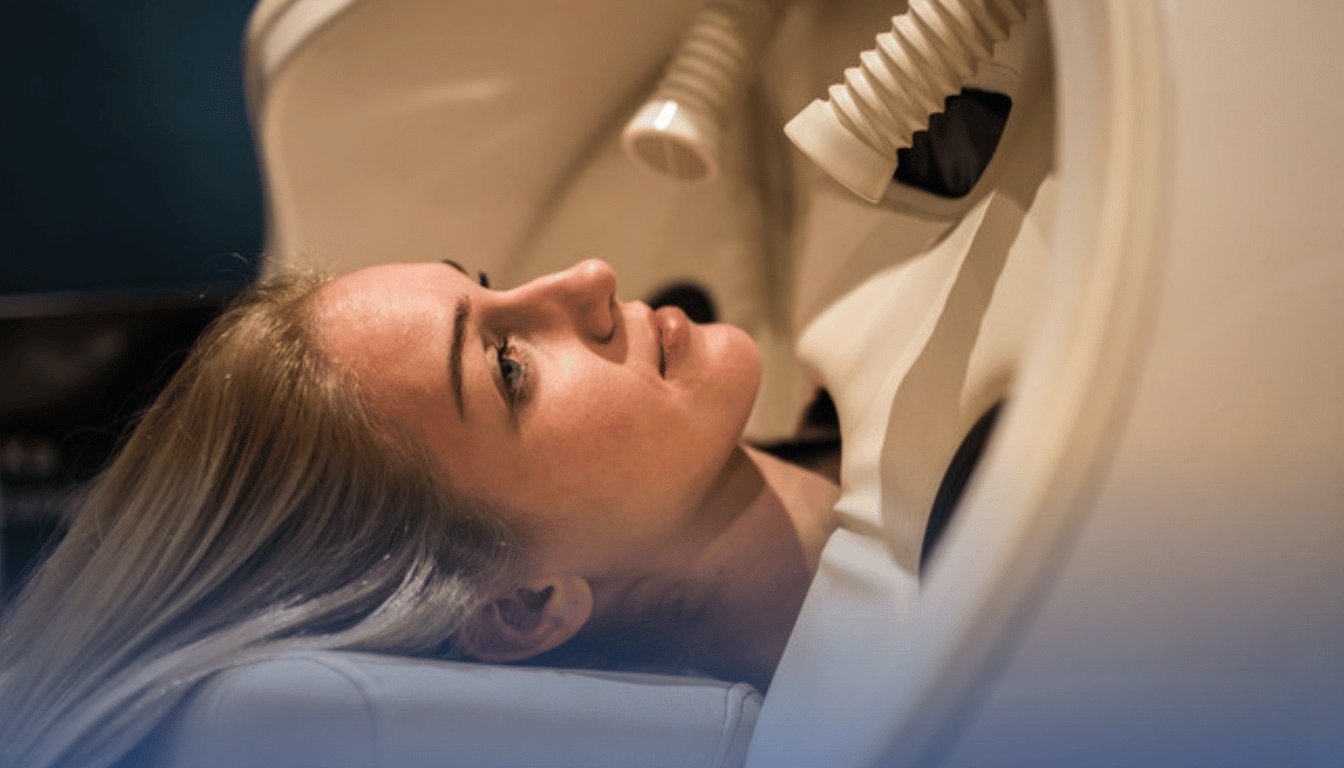
This guide explains IV ozone therapy as a supervised treatment combining medical ozone and oxygen, addresses common safety concerns, and clarifies myths while emphasizing the importance of proper clinical oversight and integration within a broader wellness approach rather than as a standalone cure.
IV ozone therapy is a medical treatment that introduces a precise concentration of ozone gas into the bloodstream to support immune function, circulation, and oxygen utilization at the cellular level. It is used in integrative and functional medicine settings for chronic infections, inflammatory conditions, and circulatory compromise. This guide separates evidence from speculation and addresses the safety questions patients most frequently ask.
What Is IV Ozone Therapy and How Does It Work?
Ozone (O3) is a highly reactive form of oxygen composed of three oxygen atoms rather than the two found in the oxygen we breathe. In medical applications, ozone is generated from medical-grade oxygen using a calibrated ozone generator that produces precise concentrations.
During IV ozone therapy, a small volume of blood is drawn from the patient, mixed with a specific concentration of ozone gas in a sterile environment, and then reinfused. This process, called major autohemotherapy (MAH), allows ozone to interact with blood components in a controlled manner.
The biological mechanisms include:
- Stimulation of red blood cell 2,3-DPG production, which improves oxygen release to tissues
- Activation of the Nrf2 pathway, a master regulator of antioxidant defense
- Modulation of pro-inflammatory cytokines including NF-kB
- Enhancement of mitochondrial oxygen consumption and ATP production
- Stimulation of white blood cell activity against pathogens
The key distinction is that ozone therapy works through controlled oxidative stress, a small, measured stimulus that triggers the body's adaptive antioxidant and immune responses, similar to how exercise uses physical stress to build cardiovascular fitness.
Who May Benefit from IV Ozone Therapy?
IV ozone therapy is used in integrative medicine for a range of conditions where impaired oxygen utilization, chronic infection, or persistent inflammation plays a central role. Common clinical applications include:
Chronic infections, Lyme disease, Epstein-Barr virus reactivation, and chronic viral loads may respond to ozone's immune-stimulating properties. Ozone has demonstrated antimicrobial effects against bacteria, viruses, and fungi in laboratory studies.
Circulatory compromise, Patients with peripheral vascular disease, diabetic complications, or post-surgical healing challenges may benefit from improved oxygen delivery to tissues.
Chronic fatigue and mitochondrial dysfunction, When cellular energy production is impaired, ozone's effect on mitochondrial function and oxygen utilization can support recovery.
Autoimmune and inflammatory conditions, The immunomodulatory effects of ozone may help rebalance an overactive immune response, though this application requires careful patient selection.
It is important to note that ozone therapy is not a first-line treatment for any of these conditions. It is most effective as part of a comprehensive treatment plan that addresses root causes through multiple mechanisms.
Is IV Ozone Therapy Safe?
When administered by trained practitioners using properly calibrated equipment and established protocols, IV ozone therapy has a strong safety record. A 1980 German Medical Society survey of over 384,000 ozone treatments documented a complication rate of only 0.0007%.
Safety depends on several critical factors:
- Precise concentration control, therapeutic ozone concentrations fall within a narrow window. Too little produces no effect; too much causes oxidative damage
- Proper administration technique, ozone must never be injected directly into a vein as gas. Major autohemotherapy and other established protocols prevent this
- Medical-grade equipment, ozone generators must produce accurate, consistent concentrations from medical-grade oxygen sources
- Practitioner training, providers should have specific training in ozone therapy protocols, not just general medical credentials
At Prince Health, ozone therapy is administered under clinical supervision using calibrated equipment and evidence-based protocols.
What Are the Most Common Myths About Ozone Therapy?
Misinformation surrounds ozone therapy from both enthusiastic proponents and dismissive critics. Here are the facts behind common claims:
Myth: Ozone therapy cures cancer. Ozone therapy is not a cancer cure. While some research explores its potential as an adjunctive therapy to reduce side effects of conventional treatment and improve quality of life, claiming it cures cancer is irresponsible and unsupported by current evidence.
Myth: Ozone is toxic and should never be used medically. Inhaled ozone is indeed harmful to lung tissue. However, medical ozone therapy does not involve inhalation. The controlled administration methods used in clinical settings are fundamentally different from environmental ozone exposure.
Myth: One treatment is enough to see results. Most patients require a series of treatments, typically 6 to 10 sessions for chronic conditions. Biological adaptation takes time, and treatment protocols are structured to build cumulative benefit.
Myth: Ozone therapy replaces conventional medicine. Responsible practitioners use ozone as a complement to evidence-based medicine, not a replacement. It works best when integrated into a comprehensive treatment plan.
What Should You Expect During an IV Ozone Session?
A typical major autohemotherapy session takes approximately 30 to 60 minutes. The process is straightforward:
Before treatment: Your practitioner reviews your health history, current medications, and treatment goals. Baseline vitals are recorded. If it is your first session, expect a longer consultation to establish your protocol.
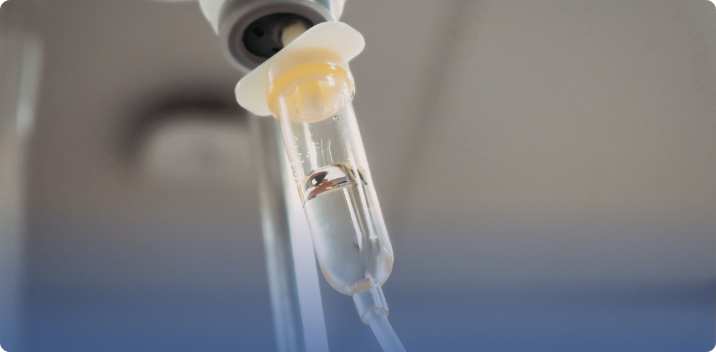
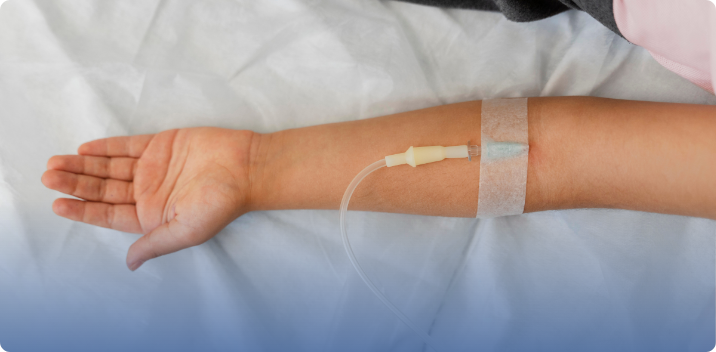
During treatment: A standard IV line is placed. Approximately 100 to 250 mL of blood is drawn into a sterile, ozone-resistant container. Medical-grade ozone is introduced at a prescribed concentration, mixed gently with the blood, and reinfused through the same IV line.
After treatment: Most patients feel normal immediately. Some report a mild sense of increased energy or mental clarity within hours. Occasional side effects include brief lightheadedness or mild fatigue, which typically resolve the same day.
You should not undergo ozone therapy if you have G6PD deficiency (a genetic enzyme disorder), uncontrolled hyperthyroidism, active hemorrhage, or are pregnant. These are absolute contraindications that a qualified provider will screen for.
How Does IV Ozone Compare to Other Oxidative Therapies?
IV ozone therapy is one of several oxidative approaches used in integrative medicine. Understanding the differences helps patients and practitioners select the most appropriate option:
IV hydrogen peroxide uses a dilute peroxide solution infused directly. It shares some mechanisms with ozone but offers less precise dosing control and carries a slightly different risk profile.
Ultraviolet blood irradiation (UBI) exposes a small volume of blood to UV light before reinfusion. It activates similar immune pathways but through photochemical rather than oxidative mechanisms.
Hyperbaric oxygen therapy (HBOT) delivers 100% oxygen under pressure, increasing dissolved oxygen in plasma. HBOT and ozone therapy complement each other because they improve oxygen delivery through different mechanisms.
The choice between these therapies depends on the condition being treated, the patient's overall health status, and the clinical experience of the provider.
Explore IV Ozone Therapy at Prince Health in The Woodlands
If you are dealing with a chronic condition where impaired immune function, persistent infection, or poor oxygen utilization plays a role, IV ozone therapy may be a meaningful addition to your treatment plan. At Prince Health, located at 10847 Kuykendahl Rd #350, The Woodlands, TX, our clinical team evaluates each patient individually and designs ozone protocols based on specific clinical needs rather than one-size-fits-all approaches.
Frequently Asked Questions
How many IV ozone treatments are needed to see results?
Most protocols involve 6 to 10 sessions administered once or twice weekly for initial treatment, followed by maintenance sessions as needed. Some patients notice improvements in energy and symptom severity within the first few sessions, while chronic conditions may require the full course before meaningful changes are evident.
Does IV ozone therapy hurt?
The procedure involves a standard IV placement, which causes brief discomfort similar to a blood draw. Once the line is established, the treatment itself is painless. Most patients relax comfortably during the 30 to 60 minute session.
Can IV ozone therapy help with Lyme disease?
Ozone therapy is used as an adjunctive treatment for chronic Lyme disease because of its antimicrobial properties and immune-modulating effects. It is not a standalone cure but may support treatment protocols by addressing persistent infection and reducing inflammatory burden alongside other targeted therapies.
Is IV ozone therapy FDA approved?
The FDA has not approved ozone therapy as a treatment for any specific medical condition. However, it is practiced legally in many states under the scope of medical practice. Medical-grade ozone generators are registered as medical devices. Treatment decisions should be guided by clinical evidence and individual patient assessment.
What are the side effects of IV ozone therapy?
Side effects are uncommon and typically mild. Some patients experience brief fatigue, lightheadedness, or a mild Herxheimer reaction if treating chronic infection. Serious complications are extremely rare when treatment is administered by trained practitioners using proper equipment and protocols.
Schedule an Appointment Today
Get optimized and highly effective care for your condition by visiting our office in The Woodlands, TX.