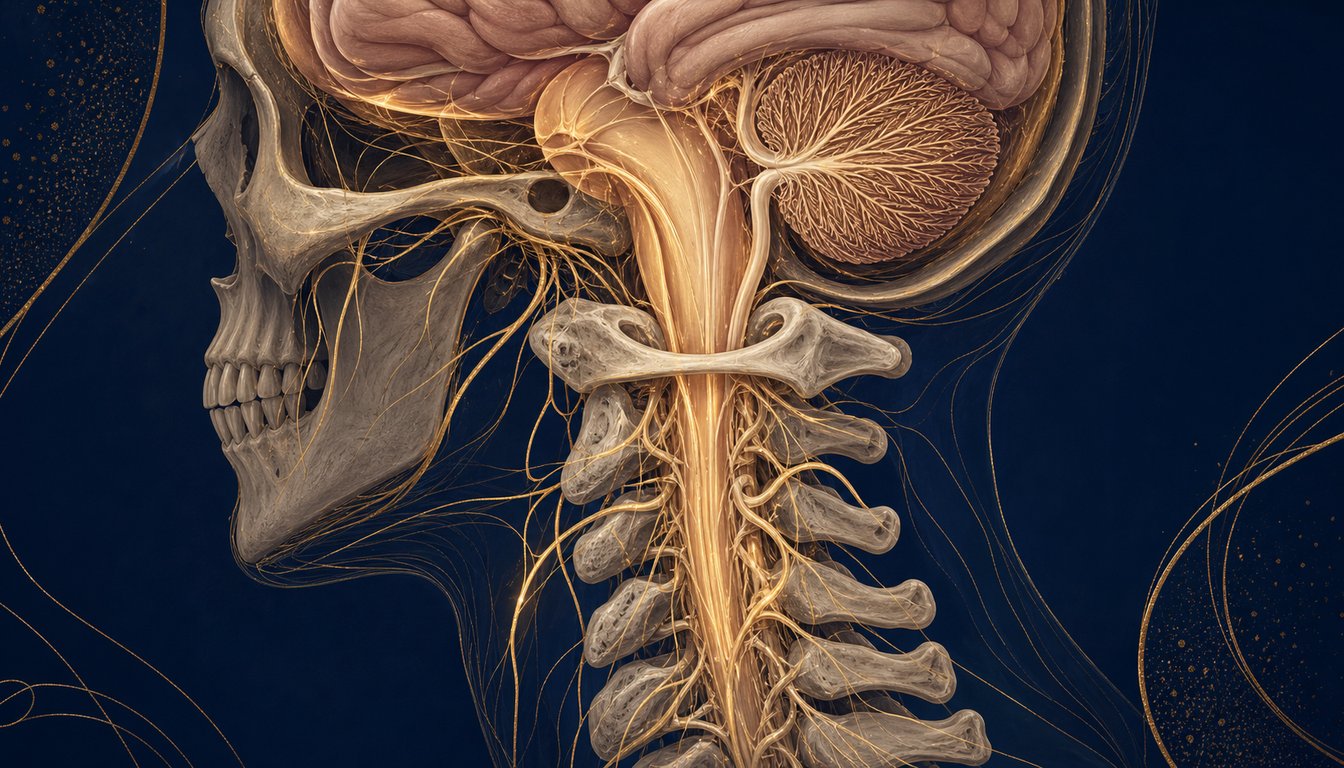
Explore the most common causes of neck pain, from posture and screen habits to pinched nerves, along with practical tips to prevent flare-ups and maintain relief.
Neck pain is the fourth leading cause of disability worldwide, yet most cases stem from modifiable factors that respond well to targeted treatment and prevention strategies. Understanding what triggers your neck pain is the first step toward reducing flare-ups and reclaiming comfort. Whether your symptoms come from prolonged desk work, a previous injury, or degenerative changes, this guide covers the most common causes and practical strategies for prevention.
What Are the Most Common Causes of Neck Pain?
The cervical spine supports the head while allowing an extraordinary range of motion, which makes it vulnerable to both acute injury and chronic strain. The most frequent sources of neck pain include:
Postural strain is the leading cause of neck pain in working adults. Forward head posture, where the head drifts anterior to the shoulders, adds approximately 10 pounds of effective weight on the cervical spine for every inch of forward displacement. Hours at computers, phones, and steering wheels create sustained loading that overworks the posterior cervical muscles and compresses the facet joints.
Cervical disc degeneration occurs naturally with age as the intervertebral discs lose hydration and height. This process narrows the disc space, increases load on the facet joints, and can compress nerve roots. While degeneration is a normal part of aging, the symptoms it produces, stiffness, aching, and referred pain, are treatable.
Facet joint dysfunction involves irritation or restriction of the paired synovial joints that guide cervical motion. Facet-mediated neck pain is typically worse with extension (looking up) and rotation, produces localized or referred pain into the shoulders, and often responds well to manual therapy.
Myofascial trigger points are hyperirritable spots within taut bands of muscle that produce local and referred pain. The upper trapezius, levator scapulae, and suboccipital muscles are the most common sources of myofascial neck pain. These trigger points develop from sustained postures, stress, and repetitive movements.
Cervical radiculopathy occurs when a nerve root is compressed by a herniated disc or osteophyte. It produces pain, numbness, or weakness radiating from the neck into the shoulder, arm, or hand along a specific dermatomal pattern.
Why Does Neck Pain Keep Coming Back?
Recurrent neck pain is one of the most frustrating patterns patients experience. Research shows that 50% to 85% of neck pain patients experience recurrence within 5 years. The primary reasons include:
Incomplete rehabilitation, many patients stop treatment when acute pain subsides, before the underlying dysfunction has been fully corrected. The muscles and joints feel better but remain vulnerable because strength, endurance, and motor control deficits persist.
Unchanged ergonomic habits, returning to the same workstation setup, phone habits, and sleep position that caused the original episode inevitably reproduces the same strain patterns.
Deep cervical flexor weakness, the longus colli and longus capitis muscles stabilize the cervical spine from the front. When these muscles are weak or inhibited, the superficial muscles compensate with excessive tension, perpetuating the pain cycle.
Unaddressed thoracic spine stiffness, the thoracic spine directly below the neck must provide adequate mobility for the cervical spine to function optimally. A stiff thoracic spine forces the neck to compensate with excessive movement, accelerating wear.
How Can You Prevent Neck Pain Flare-Ups?
Prevention is more effective than repeated treatment cycles. These evidence-based strategies address the most common modifiable risk factors:
Ergonomic optimization:
- Position your monitor at eye level, directly in front of you
- Keep keyboard and mouse close to prevent forward reaching
- Use a chair that supports the natural cervical lordosis
- Follow the 20-20-20 rule: every 20 minutes, look at something 20 feet away for 20 seconds, and change your posture
Strengthening the stabilizers:
- Deep cervical flexor training using chin tucks held for 10 seconds, building to 3 sets of 12
- Scapular retraction exercises to strengthen the lower trapezius and rhomboids
- Thoracic extension mobilizations over a foam roller
Sleep positioning:
- Use a cervical contour pillow that maintains neutral spine alignment
- Avoid sleeping on your stomach, which forces cervical rotation for hours
- If side sleeping, ensure your pillow fills the space between your ear and shoulder
Stress management, chronic stress drives persistent muscle guarding in the cervical region. Regular exercise, diaphragmatic breathing, and deliberate relaxation reduce the sympathetic tone that keeps neck muscles chronically contracted.
When Should Neck Pain Be Evaluated Professionally?
While most neck pain is mechanical and self-limiting, certain presentations warrant professional assessment:
- Pain lasting more than 2 to 3 weeks without improvement
- Radiating pain, numbness, or tingling into the arm or hand
- Progressive weakness in the arm or grip strength
- Neck pain following trauma, fall, or motor vehicle accident
- Pain accompanied by headaches, dizziness, or visual changes
- Morning stiffness lasting more than 30 minutes daily
A chiropractic evaluation identifies which cervical structures are involved, assesses contributing factors from the thoracic spine and upper extremities, and establishes a targeted treatment plan. Early intervention for persistent neck pain consistently produces better outcomes than delayed treatment.
What Treatment Options Help Chronic Neck Pain?
Cervical spine manipulation restores segmental mobility, reduces pain through neurological gating mechanisms, and improves proprioceptive signaling. A Cochrane review found moderate evidence supporting manipulation for chronic neck pain.
Soft tissue therapy including instrument-assisted techniques, myofascial release, and trigger point therapy addresses the muscular component of cervical pain.
Exercise rehabilitation transitions from pain relief to long-term resilience. Progressive strengthening of the deep cervical flexors, scapular stabilizers, and thoracic extensors builds the foundation that prevents recurrence.
Postural retraining uses awareness drills, taping techniques, and movement cues to break habitual postures that load the cervical spine inappropriately.
Chiropractic care is particularly effective for neck pain because it addresses both the joint dysfunction and the muscular compensation patterns simultaneously, rather than treating them in isolation.
Build a Long-Term Neck Health Strategy at Prince Health
Neck pain that returns repeatedly signals an underlying vulnerability that requires a strategic approach, not just repeated symptom treatment. At Prince Health, located at 10847 Kuykendahl Rd #350, The Woodlands, TX, we identify the specific mechanical, postural, and muscular factors driving your neck pain and build a treatment and prevention plan designed for lasting results rather than temporary relief.
Frequently Asked Questions
Is it safe to crack your own neck?
Self-manipulation of the neck carries risk because you cannot control the specificity of the force or identify which segment needs mobilization. Repeatedly forcing the same hypermobile segments can create instability while leaving the truly restricted segments untreated. Professional cervical manipulation targets specific restricted joints with controlled, precise force.
Can neck pain cause headaches?
Yes. Cervicogenic headaches originate from the upper cervical spine and are one of the most common secondary headache types. The C1-C3 nerve roots share neural pathways with the trigeminal nerve, allowing cervical dysfunction to produce pain referred to the head, temples, and behind the eyes.
How long does it take for neck pain to go away?
Acute mechanical neck pain typically improves within 2 to 6 weeks with appropriate management. Chronic neck pain lasting more than 3 months may require longer treatment durations of 8 to 12 weeks to achieve meaningful improvement, particularly when addressing deep stabilizer weakness and postural habits.
Should I use heat or ice for neck pain?
Ice is generally recommended for acute neck pain in the first 48 to 72 hours to reduce inflammation. After the acute phase, heat is often more effective because it increases blood flow, relaxes muscle tension, and improves tissue extensibility. Many patients benefit from alternating heat and ice for chronic conditions.
Can sleeping wrong cause neck pain?
Absolutely. Sleeping on a pillow that is too high, too flat, or too soft can maintain the cervical spine in a flexed, extended, or rotated position for hours. Stomach sleeping is particularly problematic because it requires sustained cervical rotation. A cervical contour pillow that supports neutral alignment significantly reduces sleep-related neck pain.
Schedule an Appointment Today
Get optimized and highly effective care for your condition by visiting our office in The Woodlands, TX.