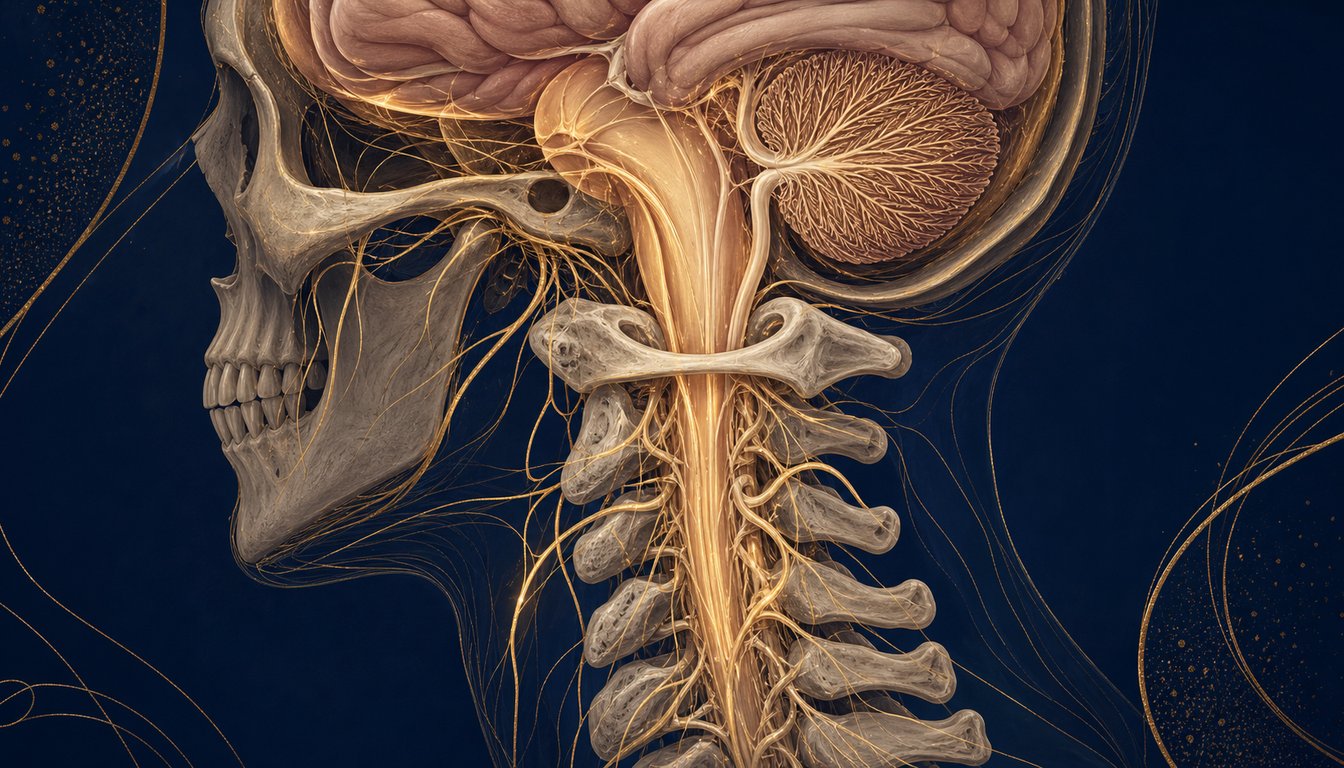
Vertigo triggers are often difficult to identify because symptoms don't follow a single pattern. Understanding how balance depends on multiple interconnected systems helps identify underlying causes and guide a more effective evaluation.
Vertigo is more than feeling lightheaded. It is a distinct sensation of spinning or tilting that can strike without warning, disrupt balance, and make routine tasks feel unsafe. For patients in The Woodlands, TX who experience recurring episodes, understanding what triggers vertigo is the first step toward meaningful relief. This guide covers the most common causes, how they differ, and when a clinical evaluation is warranted.
What Actually Causes Vertigo?
Vertigo originates from a disruption in the vestibular system, which includes structures in the inner ear and pathways to the brainstem. When sensory signals from the inner ear conflict with what the eyes and body sense, the brain interprets the mismatch as motion, producing that characteristic spinning sensation.
The most common cause is benign paroxysmal positional vertigo (BPPV), which accounts for roughly 50% of all vertigo cases. BPPV occurs when tiny calcium carbonate crystals called otoconia become dislodged from the utricle and migrate into the semicircular canals. Once there, they disrupt fluid dynamics and send false motion signals to the brain with certain head movements.
Other vestibular causes include Meniere's disease, vestibular neuritis, and labyrinthitis. Each produces vertigo through different mechanisms, and distinguishing between them matters because treatments differ substantially.
Can Neck Problems Trigger Vertigo Episodes?
Yes, cervicogenic vertigo is a well-documented condition where dysfunction in the upper cervical spine produces dizziness and spatial disorientation. Proprioceptive receptors in the neck send position data to the brain, and when those signals are distorted by misalignment, muscle spasm, or joint restriction, vertigo can result.
This form of vertigo is particularly common after whiplash injuries, prolonged desk work, or chronic postural strain. Patients often describe it as a vague unsteadiness that worsens with head turning rather than the intense room-spinning associated with BPPV.
Chiropractic treatment that addresses upper cervical alignment and soft tissue restriction can reduce or eliminate cervicogenic vertigo for many patients. The key is identifying whether the neck is the primary driver or a contributing factor alongside vestibular dysfunction.
What Are the Most Common Vertigo Triggers?
Vertigo episodes are rarely random. Most patients can identify specific triggers once they know what to look for:
- Head position changes such as rolling over in bed, looking up, or bending forward (classic BPPV triggers)
- Sudden standing from a seated or lying position, especially in the morning
- Stress and sleep deprivation, which lower the threshold for vestibular episodes
- Dietary factors including high sodium intake, caffeine, and alcohol, particularly in Meniere's disease
- Dehydration and low blood pressure, which reduce blood flow to the inner ear
- Barometric pressure changes, which some patients report as a reliable trigger in humid climates like Southeast Texas
- Neck stiffness or cervical restriction, especially after prolonged sitting or sleeping in an awkward position
Tracking your triggers in a symptom journal helps your clinician narrow the diagnosis faster than any single test. Note the time of day, body position, duration, and any associated symptoms like nausea, hearing changes, or ear fullness.
How Do You Know If Vertigo Is Serious?
Most vertigo is caused by benign vestibular conditions, but certain warning signs require immediate medical attention. Vertigo accompanied by slurred speech, facial drooping, limb weakness, severe headache, or double vision could indicate a stroke or brainstem event.
Other signs that warrant prompt evaluation include:
- Vertigo lasting hours to days without improvement
- Progressive hearing loss on one side
- New-onset vertigo after a head injury
- Episodes increasing in frequency or severity over weeks
- Vertigo combined with fever and severe headache
For recurrent vertigo without red-flag symptoms, the priority is accurate diagnosis. Many patients cycle through multiple providers without resolution because the underlying cause was never properly identified. A structured evaluation that includes vestibular testing, cervical assessment, and case history analysis produces more actionable answers than isolated symptom management.
What Role Does the Vestibular System Play in Chronic Dizziness?
The vestibular system does more than detect head rotation. It coordinates eye movements, postural reflexes, and spatial orientation through a network of structures in the inner ear and connections to the brainstem, cerebellum, and cortex.
When vestibular function is compromised, the brain attempts to compensate by relying more heavily on visual and proprioceptive input. This compensation process works well for many patients, but when it stalls or becomes maladaptive, persistent postural-perceptual dizziness (PPPD) can develop. PPPD produces chronic unsteadiness and visual sensitivity that persists long after the original vestibular event resolves.
Understanding this progression is clinically important because treating the original vestibular cause may not be sufficient if central compensation has already become dysfunctional. A comprehensive approach that addresses both peripheral vestibular function and central processing produces better long-term outcomes.
How Is Vertigo Treated Without Medication?
Medication can suppress vertigo symptoms temporarily, but it does not resolve the underlying cause and can actually impair vestibular compensation when used long-term. Non-pharmacological treatments target the source:
Canalith repositioning (Epley maneuver) physically relocates displaced otoconia back to the utricle, resolving BPPV in one to three sessions for most patients.
Cervical spine correction through chiropractic treatment addresses cervicogenic vertigo by restoring normal joint mechanics and proprioceptive signaling in the upper neck.
Vestibular rehabilitation exercises retrain the brain's balance processing through graduated exposure to movements that provoke symptoms in a controlled, progressive manner.
Dietary and lifestyle modification plays a significant role in Meniere's disease management, where sodium restriction, adequate hydration, and stress reduction can meaningfully reduce episode frequency.
The most effective treatment plan combines the appropriate techniques based on your specific diagnosis rather than applying a one-size-fits-all protocol.
Schedule a Vertigo Evaluation at Prince Health in The Woodlands
If vertigo episodes are disrupting your daily life and standard approaches have not provided lasting answers, a structured clinical evaluation can identify what is actually driving your symptoms.
Prince Health is located at 10847 Kuykendahl Rd #350, The Woodlands, TX. Our evaluation includes vestibular screening, cervical spine assessment, and a detailed case history to determine whether your vertigo is vestibular, cervicogenic, or multifactorial. From there, we build a targeted treatment plan rather than managing symptoms indefinitely.
Frequently Asked Questions
How long do vertigo episodes typically last?
BPPV episodes usually last 15 to 60 seconds and are triggered by specific head movements. Vestibular neuritis can produce continuous vertigo for days to weeks. Meniere's episodes typically last 20 minutes to several hours. The duration and pattern of your episodes are key diagnostic clues that help distinguish between conditions.
Can dehydration cause vertigo?
Yes. The inner ear requires consistent blood flow and fluid balance to function properly. Dehydration reduces blood volume and can lower blood pressure, both of which compromise vestibular function. In humid Texas climates, patients who exercise outdoors or spend extended time in heat are particularly susceptible to dehydration-related dizziness.
Is vertigo a sign of something neurological?
Most vertigo is peripheral, meaning it originates in the inner ear rather than the brain. However, vertigo accompanied by neurological symptoms such as difficulty speaking, facial numbness, or limb weakness warrants immediate evaluation to rule out stroke or brainstem pathology. Isolated recurrent vertigo without neurological signs is overwhelmingly benign.
Can chiropractic care help with vertigo?
Chiropractic treatment can be highly effective for cervicogenic vertigo, where upper cervical dysfunction contributes to dizziness and spatial disorientation. Additionally, some chiropractors trained in vestibular techniques perform canalith repositioning maneuvers for BPPV. The key is accurate diagnosis to determine whether the cervical spine is involved.
Why does my vertigo get worse when I lie down?
Vertigo that worsens when lying down or rolling over in bed is the hallmark presentation of BPPV. The displaced calcium crystals in the semicircular canals shift with gravity when you change head position, triggering brief but intense spinning. This pattern is diagnostic and responds well to canalith repositioning procedures.
Schedule an Appointment Today
Get optimized and highly effective care for your condition by visiting our office in The Woodlands, TX.