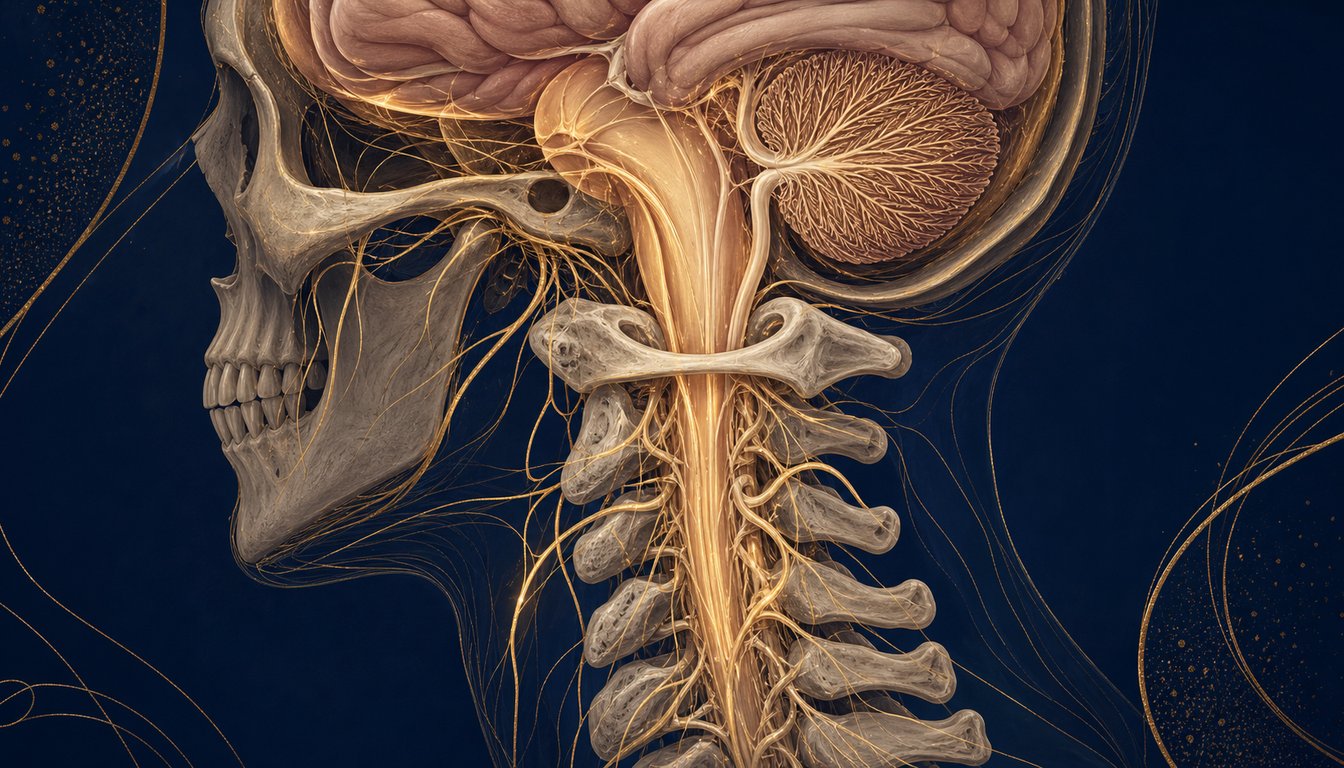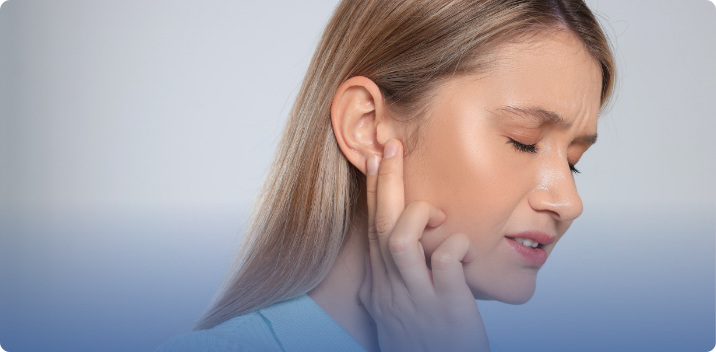
Tinnitus often involves more than ear-related changes alone; jaw clenching, neck tension, stress, and poor posture can all influence how ringing is perceived. A broader evaluation examining jaw mechanics, cervical function, and nervous system activation may clarify whether mechanical strain contributes to persistent symptoms.
Ear ringing, clinically known as tinnitus, affects an estimated 15% of adults and ranges from a mild nuisance to a condition that interferes with sleep, concentration, and quality of life. For patients in The Woodlands, TX who have been told to simply live with it, the reality is that tinnitus often has identifiable contributing factors that respond to targeted intervention. This guide explains when ringing in the ears warrants a closer clinical look and what options exist beyond waiting it out.
What Causes Persistent Ringing in the Ears?
Tinnitus is a symptom, not a standalone diagnosis, which means the ringing, buzzing, or hissing sound you hear reflects an underlying issue in the auditory pathway or related systems. The most common causes include:
- Noise-induced hearing loss from prolonged exposure to loud environments, concerts, firearms, or power tools
- Age-related cochlear changes (presbycusis) where hair cell damage in the inner ear generates phantom sound signals
- Temporomandibular joint (TMJ) dysfunction that refers tension and nerve irritation to the auditory structures
- Cervical spine misalignment affecting blood flow and nerve signaling to the inner ear and brainstem
- Medications including certain antibiotics, NSAIDs, loop diuretics, and chemotherapy agents that are ototoxic
- Meniere's disease, which combines tinnitus with episodic vertigo, hearing fluctuation, and ear fullness
The clinical challenge is that multiple causes can coexist. A patient may have mild noise-related hearing loss compounded by cervical tension and jaw clenching, each amplifying the perceived tinnitus. Effective treatment requires identifying all contributing factors rather than attributing the symptom to a single cause.
When Should You See a Doctor About Ear Ringing?
Seek evaluation if tinnitus is persistent, unilateral, pulsatile, or accompanied by hearing loss, dizziness, or pain. These features distinguish clinically significant tinnitus from the transient ringing most people experience occasionally.
Specific red flags include:
- Tinnitus in only one ear that does not resolve within a week
- A rhythmic whooshing sound that matches your heartbeat (pulsatile tinnitus)
- Sudden hearing loss in one or both ears
- Tinnitus that began after a head injury or medication change
- Ringing accompanied by facial numbness, weakness, or balance problems
Pulsatile tinnitus is particularly important to evaluate because it can indicate vascular abnormalities, including arteriovenous malformations or carotid stenosis. While these causes are uncommon, they are medically significant and treatable when identified early.
How Does the Cervical Spine Contribute to Tinnitus?
The upper cervical spine has direct anatomical connections to the auditory system through the vertebral artery, sympathetic nerve chain, and trigeminal nerve pathways. When C1-C2 misalignment, muscle spasm, or joint restriction compromises these structures, tinnitus can develop or worsen.
This cervicogenic tinnitus is more common than many patients realize. It often presents alongside neck stiffness, headaches, or jaw tension and may fluctuate with head position or cervical movement. Patients who notice their tinnitus changes when they turn their head, clench their jaw, or press on their neck are exhibiting signs that suggest a musculoskeletal contribution.
Chiropractic treatment targeting the upper cervical spine and surrounding soft tissue can reduce tinnitus intensity for patients whose ringing has a cervicogenic component. This approach does not replace audiological evaluation but adds an important dimension that is frequently overlooked.
What Treatment Options Exist Beyond Hearing Aids?
While hearing aids with tinnitus masking features help many patients, they are not the only option, and they do not address underlying causes:
Cervical spine correction through chiropractic care addresses structural contributions to tinnitus, particularly when neck dysfunction is a confirmed factor.
TMJ treatment including bite correction, jaw exercises, and muscle release can significantly reduce tinnitus in patients with temporomandibular dysfunction.
Sound therapy and habituation training use structured auditory input to retrain the brain's response to the tinnitus signal, reducing its perceived loudness and intrusiveness over time.
Nutritional and lifestyle modification targeting inflammation, circulation, and stress can lower tinnitus severity. Magnesium supplementation, sodium reduction, and caffeine management have evidence supporting their role in tinnitus management.
Medication review is essential for patients whose tinnitus began after starting a new drug. Ototoxic medications can sometimes be substituted or dose-adjusted under physician guidance.
The most effective approach combines treatments that address your specific contributing factors rather than relying on any single intervention.
Does Stress Make Tinnitus Worse?
Absolutely. Stress amplifies tinnitus through multiple physiological mechanisms. The sympathetic nervous system response increases muscle tension in the neck and jaw, raises blood pressure, and heightens neural excitability in the auditory cortex. All of these effects can increase perceived tinnitus volume.
Patients frequently report that their tinnitus is loudest during periods of high stress, poor sleep, or emotional strain. This creates a feedback loop where tinnitus causes anxiety, which in turn amplifies the tinnitus.
Breaking this cycle requires addressing both the physiological contributors and the stress response. Structured relaxation techniques, sleep optimization, and reducing cervical and jaw tension through manual therapy can meaningfully lower baseline tinnitus levels for stress-reactive patients.
Can Tinnitus Be Cured Completely?
For some patients, yes. For others, significant reduction is the realistic goal. Tinnitus caused by cervical misalignment, TMJ dysfunction, or medication side effects can often be resolved or substantially improved by addressing the underlying cause. Tinnitus from permanent cochlear hair cell damage typically cannot be reversed, but its impact can be dramatically reduced through habituation, sound therapy, and neural retraining.
The key distinction is between peripheral tinnitus, where the signal originates from a structural or metabolic issue, and central tinnitus, where the brain has reorganized its auditory processing to perpetuate the sound. Many patients have elements of both, which is why a comprehensive evaluation matters.
Evaluate Your Tinnitus at Prince Health in The Woodlands
If ear ringing has persisted beyond a few weeks and is affecting your daily life, a structured evaluation can identify what is contributing to your symptoms and which treatments are most likely to help.
Prince Health is located at 10847 Kuykendahl Rd #350, The Woodlands, TX. Our approach includes cervical spine assessment, case history analysis, and coordination with audiological testing when indicated. Rather than telling patients to learn to live with tinnitus, we work to identify modifiable factors and build a targeted treatment plan.
Frequently Asked Questions
Is ringing in one ear more concerning than both ears?
Unilateral tinnitus does warrant closer evaluation because it can indicate an acoustic neuroma, sudden sensorineural hearing loss, or vascular abnormality on the affected side. Bilateral tinnitus is more commonly associated with noise exposure, age-related changes, or systemic factors. Any new-onset unilateral tinnitus should be evaluated with audiometry and potentially imaging.
Can jaw problems cause ear ringing?
Yes. The temporomandibular joint sits directly adjacent to the ear canal, and the muscles, nerves, and ligaments of the TMJ share connections with auditory structures. Jaw clenching, grinding, and TMJ disc displacement can all produce or amplify tinnitus. Treating the jaw dysfunction often reduces the ringing.
How long does tinnitus last after loud noise exposure?
Temporary tinnitus from a single loud noise event typically resolves within hours to a few days. If ringing persists beyond two weeks after noise exposure, it likely indicates permanent cochlear damage and should be evaluated. Wearing hearing protection during future noise exposure is essential to prevent further deterioration.
Does tinnitus get worse with age?
Tinnitus prevalence does increase with age, largely due to cumulative noise exposure and cochlear hair cell degeneration. However, age-related tinnitus progression is not inevitable. Managing contributing factors like cervical health, blood pressure, medication effects, and hearing protection can slow or stabilize tinnitus over time.
Can chiropractic adjustments help with tinnitus?
Chiropractic care can help with tinnitus that has a cervicogenic component, where upper cervical dysfunction contributes to the symptom through its effects on blood flow, nerve signaling, and muscle tension. Not all tinnitus responds to spinal treatment, which is why proper evaluation to identify cervical involvement is necessary before beginning care.
Schedule an Appointment Today
Get optimized and highly effective care for your condition by visiting our office in The Woodlands, TX.