Persistent tinnitus can significantly impact daily functioning and quality of life. This guide explains common causes ranging from noise exposure to neck tension, identifies warning signs requiring urgent care, and outlines how functional medicine can address the underlying systems maintaining the condition.
Persistent ringing in the ears, known as tinnitus, is one of the most frustrating conditions patients describe. It can range from a faint hum to a relentless high-pitched tone that disrupts sleep, concentration, and quality of life. If your tinnitus has lasted more than three months, conservative approaches alone may not be enough. Understanding the root cause is essential to finding the right management strategy.
What Causes Ringing in the Ears That Won't Go Away?
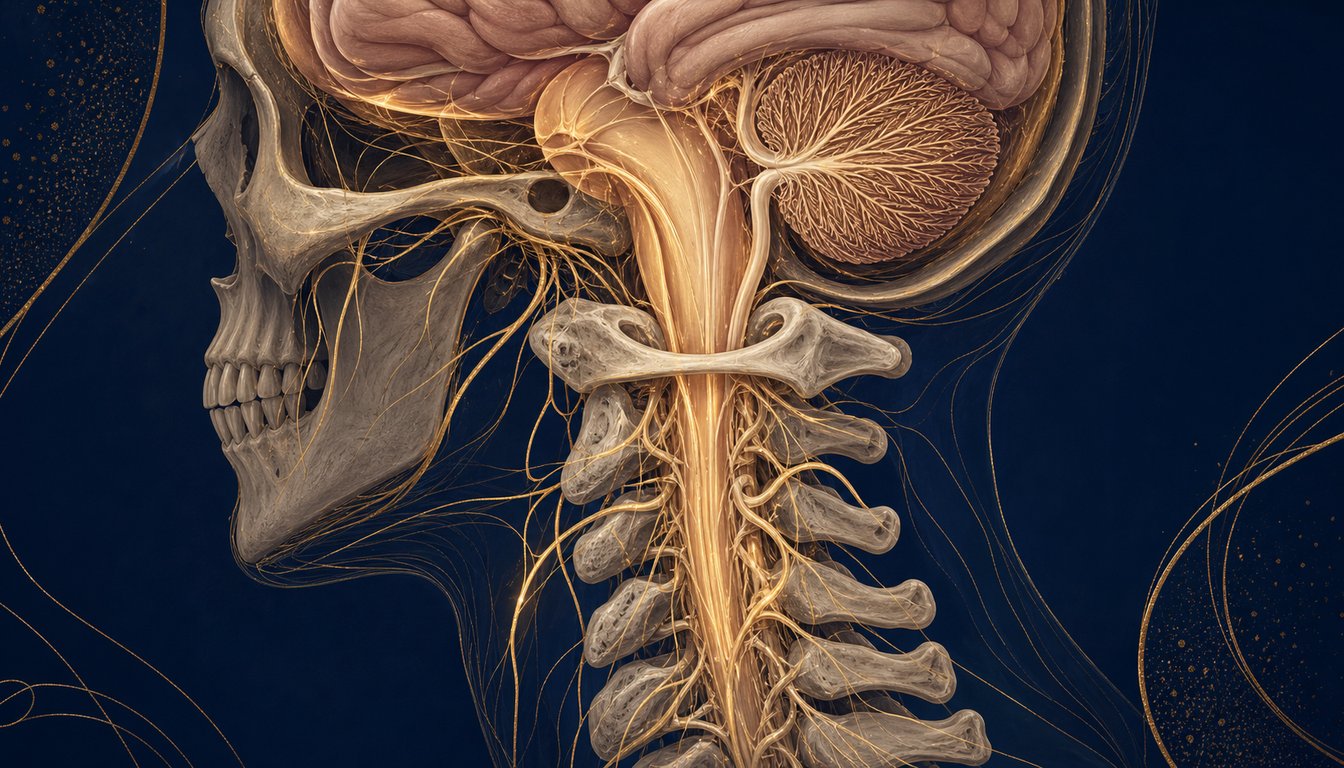
Chronic tinnitus rarely has a single cause. The auditory system is deeply connected to the cervical spine, cranial nerves, and vascular structures of the head and neck. When ringing persists beyond a few weeks, clinicians look at several contributing factors:
- Cervical spine dysfunction, misalignment or restricted mobility in the upper cervical vertebrae can alter blood flow and nerve signaling to the inner ear
- Temporomandibular joint (TMJ) disorders, jaw tension and misalignment frequently contribute to ear-related symptoms
- Noise-induced damage, prolonged exposure to loud environments causes cumulative damage to cochlear hair cells
- Vascular irregularities, pulsatile tinnitus may indicate altered blood flow patterns near the ear
- Neurological changes, the brain can amplify auditory signals when the cochlea sends incomplete information, creating phantom sound perception
Many patients have overlapping causes, which is why a targeted evaluation that considers musculoskeletal, neurological, and vascular factors produces better outcomes than treating tinnitus as purely an ear problem.
How Does the Cervical Spine Affect Tinnitus?
The upper cervical spine plays a larger role in tinnitus than most patients realize. The C1-C2 vertebrae sit in close proximity to the vertebral arteries and several cranial nerve pathways that influence auditory processing. When these vertebrae are restricted or misaligned, the resulting nerve irritation and vascular compromise can directly contribute to ringing in the ears.
Chiropractic evaluation of the upper cervical region can identify subluxations, fixations, or postural patterns that may be driving or worsening tinnitus symptoms. Research has documented cases where cervical adjustments reduced tinnitus severity, particularly in patients whose symptoms began after a neck injury, whiplash event, or prolonged postural stress.
This does not mean every case of tinnitus responds to spinal care. But when cervical dysfunction is present alongside persistent ringing, addressing the spine becomes a logical component of a comprehensive plan.
What Evaluation Should You Expect for Chronic Tinnitus?
A thorough tinnitus evaluation goes well beyond an audiogram. While hearing tests are important for ruling out sensorineural hearing loss, they do not capture the full picture. A proper assessment should include:
- Detailed symptom history, onset timing, character of the sound, aggravating and relieving factors, associated symptoms like dizziness or ear fullness
- Cervical spine examination, range of motion testing, palpation of the upper cervical segments, and postural assessment
- TMJ screening, checking for jaw clicking, crepitus, restricted opening, or referred pain patterns
- Neurological screening, cranial nerve testing, particularly nerves V, VII, and VIII
- Vascular assessment, listening for bruits and evaluating head and neck blood flow patterns
This multi-system approach is critical because tinnitus that originates from musculoskeletal or vascular sources responds to different interventions than tinnitus caused by cochlear damage alone.
Can Lifestyle Changes Reduce Tinnitus Severity?
While lifestyle modifications alone rarely eliminate chronic tinnitus, they can meaningfully reduce its impact on daily life. Several evidence-supported strategies include:
Sound enrichment uses background noise generators, white noise machines, or nature sounds to reduce the perceived contrast between tinnitus and silence. This is especially helpful at bedtime when ringing tends to feel loudest.
Stress management matters because the limbic system amplifies tinnitus perception during periods of high stress or anxiety. Techniques like diaphragmatic breathing, progressive muscle relaxation, and structured exercise reduce sympathetic nervous system activation.
Sleep hygiene improvements address the feedback loop between poor sleep and worsening tinnitus. Consistent sleep schedules, reduced screen exposure before bed, and temperature-controlled sleep environments help break the cycle.
Dietary modifications including reduced sodium, caffeine, and alcohol intake may lower tinnitus intensity in some patients. These substances can influence inner ear fluid dynamics and vascular tone.
What Treatment Options Exist Beyond Conventional Approaches?
When hearing aids and sound therapy provide insufficient relief, patients often benefit from a broader treatment strategy. Options that address the musculoskeletal and neurological contributors to tinnitus include:
- Cervical spine adjustments targeting upper cervical dysfunction and restoring proper joint mechanics
- Soft tissue therapy for the suboccipital muscles, sternocleidomastoid, and deep cervical flexors that influence nerve pathways to the ear
- TMJ-focused care including jaw mobilization, muscle release techniques, and postural correction
- Neurological rehabilitation exercises designed to retrain the brain's response to tinnitus signals
Chiropractic treatment combined with these adjunctive therapies creates a multi-modal approach that addresses the structural and neurological roots of persistent tinnitus rather than managing symptoms alone.
When Should You Seek Professional Evaluation?
Not all tinnitus requires intervention. Brief episodes of ringing after noise exposure typically resolve on their own. However, you should seek evaluation when:
- Ringing has persisted daily for more than two to three months
- The sound is getting louder or changing in character
- Tinnitus is accompanied by hearing loss, dizziness, or balance problems
- You notice pulsatile tinnitus that matches your heartbeat
- The condition is interfering with sleep, concentration, or emotional well-being
Pulsatile tinnitus in particular warrants prompt evaluation because it may indicate vascular abnormalities that require further imaging.
Get a Tinnitus Evaluation at Prince Health in The Woodlands
Living with ringing in the ears that will not go away is exhausting, but you do not have to manage it alone. At Prince Health, located at 10847 Kuykendahl Rd #350, The Woodlands, TX, our team evaluates tinnitus through a comprehensive lens that includes cervical spine assessment, neurological screening, and lifestyle analysis. If musculoskeletal dysfunction is contributing to your symptoms, we develop a targeted plan to address it directly.
Frequently Asked Questions
Can a chiropractor help with ringing in the ears?
Chiropractic care can help when tinnitus is related to cervical spine dysfunction, particularly in the upper cervical region. Misalignment or restricted mobility at C1-C2 can affect nerve pathways and blood flow to the inner ear. A thorough evaluation determines whether spinal care is an appropriate component of your tinnitus management plan.
How long does chronic tinnitus last?
Chronic tinnitus, defined as lasting more than three months, can persist for years or become permanent depending on the underlying cause. However, its perceived severity often decreases with proper management. Patients who address contributing factors like cervical dysfunction, TMJ problems, and stress frequently report meaningful reductions in how intrusive the ringing feels.
Is ringing in the ears a sign of something serious?
Most tinnitus is not dangerous, but certain presentations warrant prompt evaluation. Sudden onset tinnitus with hearing loss, pulsatile tinnitus that matches your heartbeat, or ringing accompanied by neurological symptoms like facial weakness should be assessed quickly to rule out vascular or structural causes that may need medical intervention.
Does tinnitus ever go away on its own?
Acute tinnitus from noise exposure or ear infections often resolves within days to weeks. Chronic tinnitus lasting more than three months is less likely to disappear completely without intervention. That said, many patients experience significant reduction in symptom severity through targeted treatment that addresses root causes rather than just masking the sound.
What makes tinnitus worse at night?
Tinnitus often feels louder at night because ambient noise drops, making the internal ringing more prominent. Additionally, lying down changes blood flow dynamics to the head and neck, and the brain's auditory processing shifts during the transition to sleep. Sound enrichment strategies and proper sleep positioning can reduce nighttime tinnitus perception.
Schedule an Appointment Today
Get optimized and highly effective care for your condition by visiting our office in The Woodlands, TX.