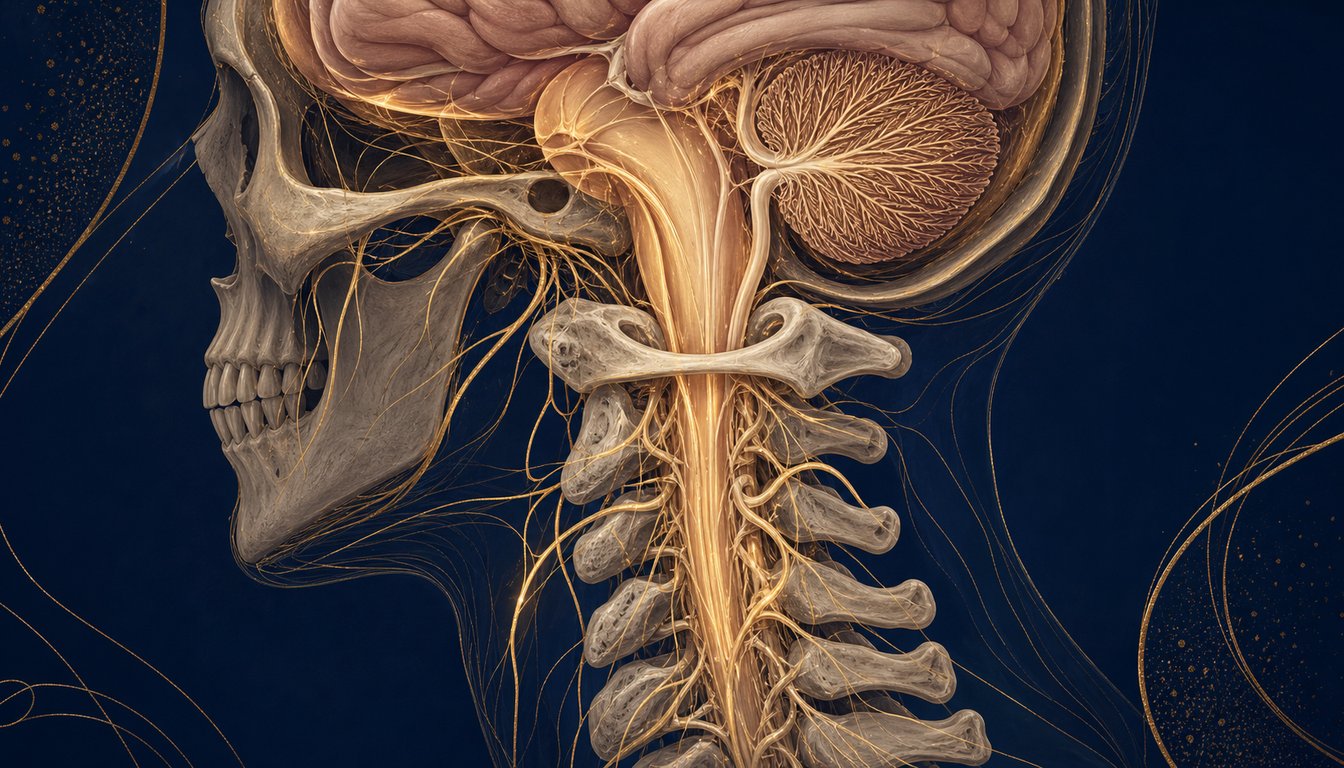
This guide distinguishes between vertigo (sensation of spinning or motion when stationary) and general dizziness (lightheadedness or floating feeling), explaining how tracking specific symptoms and triggers helps clinicians identify underlying causes. The article emphasizes practical documentation methods and discusses when professional evaluation becomes necessary.
Dizziness is one of the most common reasons patients visit a healthcare provider, yet the term itself is imprecise. Patients use "dizzy" to describe everything from lightheadedness to a spinning room. Distinguishing vertigo from other forms of dizziness is the essential first step in treatment because the underlying causes, diagnostic approaches, and effective therapies differ significantly between the two.
What Is the Difference Between Vertigo and Dizziness?
Vertigo is a specific type of dizziness characterized by a false sensation of movement, typically spinning, tilting, or swaying, when you are actually stationary. It results from dysfunction in the vestibular system, which includes the inner ear and its connections to the brainstem and cerebellum.
Dizziness is a broader term that encompasses several distinct sensations:
- Lightheadedness, feeling faint or like you might pass out, often related to blood pressure, blood sugar, or cardiovascular function
- Disequilibrium, feeling unsteady or off-balance without a spinning sensation, often related to musculoskeletal or neurological conditions
- Presyncope, the sensation of nearly losing consciousness, typically cardiovascular in origin
The distinction matters clinically because vertigo points to the vestibular system, while non-vertiginous dizziness may originate from cardiovascular, metabolic, neurological, or cervicogenic sources. A provider who asks only "are you dizzy?" without clarifying the type of sensation may pursue the wrong diagnostic pathway entirely.
What Causes Vertigo?
Vertigo has several well-characterized causes, each with distinct features that guide diagnosis:
Benign paroxysmal positional vertigo (BPPV) is the most common cause, accounting for approximately 50% of peripheral vertigo cases. It occurs when calcium carbonate crystals (otoconia) become dislodged from the utricle and migrate into the semicircular canals, sending false motion signals to the brain. BPPV produces brief, intense spinning episodes triggered by specific head movements like rolling over in bed or looking up.
Vestibular neuritis involves inflammation of the vestibular nerve, typically following a viral infection. It causes sudden, severe vertigo lasting days, often with nausea and difficulty walking. Unlike BPPV, the vertigo is continuous rather than positional.
Meniere's disease produces episodic vertigo accompanied by fluctuating hearing loss, tinnitus, and a sensation of ear fullness. Episodes can last 20 minutes to several hours.
Cervicogenic vertigo results from dysfunction in the upper cervical spine. The proprioceptive input from the cervical facet joints and deep neck muscles plays a critical role in spatial orientation. When this input is disrupted by joint restriction, muscle spasm, or injury, the brain receives conflicting signals that can produce dizziness and spatial disorientation.
How Is Vertigo Diagnosed?
Accurate diagnosis requires systematic testing that differentiates between vestibular, neurological, cervical, and cardiovascular causes:
Dix-Hallpike test is the gold standard for diagnosing BPPV. The clinician moves your head through specific positions while observing your eyes for nystagmus, involuntary rhythmic eye movements that indicate which semicircular canal is affected.
Head impulse test assesses the vestibulo-ocular reflex. An abnormal response suggests peripheral vestibular dysfunction on the affected side.
Cervical spine evaluation examines upper cervical mobility, joint play, and muscular tension. Reproduction of dizziness with cervical movement or sustained positions suggests a cervicogenic component.
Orthostatic vital signs measure blood pressure and heart rate changes with position to identify cardiovascular causes of lightheadedness.
Neurological screening including coordination testing, cranial nerve examination, and gait assessment helps rule out central (brain-based) causes of vertigo that may require urgent medical attention.
Can Chiropractic Care Help with Vertigo?
Cervicogenic dizziness and certain types of vertigo respond well to chiropractic treatment. The connection between the cervical spine and the vestibular system is well-documented:
Upper cervical adjustments restore proper joint mechanics at C1-C2, which influences vertebral artery blood flow and proprioceptive signaling to the brainstem. Studies have demonstrated reduced vertigo severity and frequency following cervical spine manipulation in patients with cervicogenic dizziness.
Epley maneuver and canalith repositioning, while not strictly chiropractic techniques, many chiropractors are trained in these BPPV-specific maneuvers that physically reposition the displaced otoconia. The Epley maneuver resolves BPPV in approximately 80% of cases in one to two sessions.
Soft tissue therapy for the deep cervical muscles, suboccipital triangle, and sternocleidomastoid can reduce proprioceptive distortion that contributes to spatial disorientation.
Vestibular rehabilitation exercises including gaze stabilization, balance training, and habituation exercises accelerate recovery by retraining the brain's integration of vestibular, visual, and proprioceptive signals.
When Should You Seek Immediate Medical Attention for Dizziness?
Most vertigo and dizziness is not dangerous, but certain presentations require urgent evaluation to rule out stroke, cardiac arrhythmia, or other serious conditions:
- Sudden severe vertigo with difficulty speaking, swallowing, or weakness on one side of the body, these suggest a posterior circulation stroke
- Vertigo with sudden hearing loss in one ear, may indicate labyrinthine infarction or sudden sensorineural hearing loss
- Dizziness with chest pain, palpitations, or shortness of breath, suggests a cardiovascular cause
- New onset vertigo after head trauma, requires evaluation for concussion, temporal bone fracture, or cervical injury
- Vertigo that is continuous for more than 24 hours without improvement, may indicate vestibular neuritis or a central cause
The key red flag is the presence of neurological symptoms alongside dizziness. Isolated vertigo without neurological deficits is rarely dangerous, even when it feels alarming.
Schedule a Vertigo Evaluation at Prince Health in The Woodlands
Living with recurrent vertigo or unexplained dizziness undermines confidence and daily function. At Prince Health, located at 10847 Kuykendahl Rd #350, The Woodlands, TX, we perform comprehensive dizziness evaluations that include vestibular testing, cervical spine assessment, and neurological screening. Whether the cause is BPPV, cervicogenic dizziness, or something else entirely, accurate diagnosis drives effective treatment.
Frequently Asked Questions
Can vertigo be cured permanently?
The answer depends on the cause. BPPV can often be resolved in one to two treatment sessions with canalith repositioning maneuvers, though recurrence is possible. Cervicogenic vertigo typically improves significantly with cervical spine treatment and rehabilitation. Meniere's disease and vestibular neuritis may require ongoing management rather than permanent cure.
How long does a vertigo episode last?
Duration varies by cause. BPPV episodes last seconds to one minute. Meniere's disease episodes last 20 minutes to several hours. Vestibular neuritis causes continuous vertigo for days that gradually improves over weeks. If your vertigo lasts more than 24 hours without improvement, seek professional evaluation.
Is vertigo a sign of something serious?
Most vertigo is caused by benign conditions like BPPV or cervicogenic dysfunction. However, vertigo accompanied by neurological symptoms such as slurred speech, weakness, visual changes, or severe headache requires immediate evaluation to rule out stroke or other central nervous system conditions.
Can neck problems cause dizziness?
Yes. Cervicogenic dizziness is a well-documented condition where dysfunction in the upper cervical spine produces dizziness, unsteadiness, and spatial disorientation. The cervical proprioceptive system provides critical input to the brain for balance and spatial orientation, and disruption of this input creates conflicting sensory signals.
What is the fastest treatment for vertigo?
For BPPV, the Epley maneuver is the fastest and most effective treatment, resolving symptoms in approximately 80% of patients within one to two sessions. The maneuver takes only a few minutes to perform and works by repositioning the displaced crystals in the semicircular canals.
Schedule an Appointment Today
Get optimized and highly effective care for your condition by visiting our office in The Woodlands, TX.